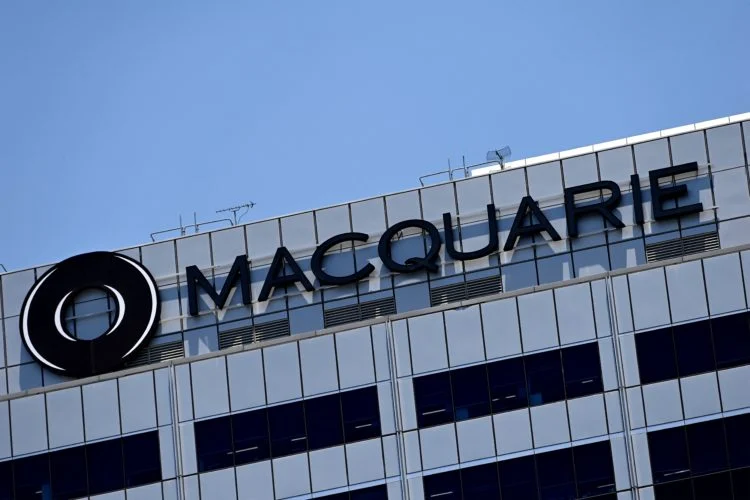
The financial landscape at Rangers is once again under scrutiny, with the club securing a loan from the Macquarie Group amid ongoing developments regarding their anticipated US-led takeover. The deal sees Rangers borrowing against future transfer income, a practice that can offer short-term relief but also raises questions about the club’s financial sustainability.
At the same time, 49ers Enterprises and Andrew Cavanagh are leading a consortium that is expected to take control at Ibrox. The investment group, which already owns Leeds United and holds a majority stake in the San Francisco 49ers, has hinted at further expansion within its portfolio. If the takeover is completed, it could bring long-term structural and financial changes to Rangers. However, the decision to take out a loan just before such a major transition suggests that the club is still reliant on external funding to meet its immediate obligations.
This raises several key questions: Why did Rangers need this loan now? How much financial strain are they currently under? And what could this mean for their future under potential new ownership? To fully understand the implications of this move, it’s important to break down the details of the Macquarie loan, the history of similar financial decisions in football, and what this means for Rangers’ long-term stability—especially in the context of their rivalry with Celtic.
Rangers’ Loan Deal with the Macquarie Group: The Details
Documents lodged with Companies House reveal that Rangers have taken out an unspecified loan from Macquarie Group, an Australian multinational investment banking and financial services giant. The repayments for this loan are tied to transfer fees still owed to the club from FC Twente and FC Parma.
These fees stem from the sales of Sam Lammers to FC Twente in 2024 and Antonio Čolak to FC Parma in 2023. Essentially, Rangers are using money that is due to arrive in future transfer installments as security for an immediate cash injection. This is a fairly common practice in football, but it is typically used by clubs that need quick liquidity—raising concerns about Rangers’ cash flow.
It remains unclear how much Rangers have borrowed, what the repayment terms are, or why exactly the funds were needed. However, speculation suggests the loan may be linked to the unexpected pay-off of manager Philippe Clement, which could mean the club needed immediate funds to cover the costs of his departure.
Why Would Rangers Need a Loan?
While borrowing against future transfer income is a tool available to many clubs, it is usually employed by teams that lack immediate cash reserves. The fact that Rangers have had to go down this route—despite an anticipated US takeover—suggests that their financial position may not be as stable as they would like to portray.
Historically, Rangers have been no strangers to financial mismanagement. Their collapse in 2012, which saw the club liquidated and forced to restart in the lower divisions, was largely due to excessive spending, miscalculated risks, and an over-reliance on future revenues that ultimately failed to materialize. While today’s situation is not as drastic, it does raise concerns that the club may still be operating with financial constraints that require external assistance.
This isn’t the first time Macquarie Group has been involved with British football clubs. In 2022, Burnley secured a £12.5 million loan from the Australian firm against a transfer installment due from Newcastle United for Chris Wood. In 2021, Watford took out a £50 million loan from Macquarie, using their stadium, Vicarage Road, as security.
Rangers’ decision to engage with Macquarie now raises questions about the terms of the agreement. Former Rangers chairman John Bennett previously mentioned Macquarie when discussing potential financing options, but he insisted in 2021 that Rangers were not willing to accept high-interest loans. At the time, he noted that some lenders had offered loans with annual interest rates as high as 13%, which Rangers rejected. Bennett claimed that Rangers had managed to lower their cost of funding to 6%—one of the lowest rates in British football at the time.
However, it is unknown whether Rangers were able to negotiate similar terms with Macquarie in this latest deal or whether they have had to accept a higher rate. If they were forced to agree to less favorable terms, it could indicate that they had limited alternatives and were under pressure to secure funds quickly.
The 49ers Enterprises Takeover: A Game-Changer for Rangers?
The timing of this loan is particularly interesting given that Rangers are on the verge of a major takeover by 49ers Enterprises. The investment arm of the San Francisco 49ers has already established itself in football with its acquisition of Leeds United, and it now appears poised to take control at Ibrox.
Paraag Marathe, the head of 49ers Enterprises, has hinted at expansion within the group, which suggests that Rangers could benefit from new investment and a more structured financial approach. If the takeover is completed, Rangers could see a shift toward an American-style sports ownership model, with an emphasis on commercial growth, branding, and long-term financial planning.
At Leeds United, the 49ers have already implemented significant changes, restructuring the squad and making adjustments to financial operations. A similar approach at Rangers could lead to improved infrastructure, better financial management, and potentially a more competitive team.
However, the fact that Rangers are still securing loans against future income suggests that, for now, they are still reliant on short-term financing. If the new owners inject significant funds, this could help stabilize the club’s financial situation. But if the takeover does not lead to an immediate cash injection, Rangers may find themselves in a cycle of borrowing that could be difficult to break.
What This Means for Celtic and Scottish Football
From Celtic’s perspective, the financial moves at Rangers are worth monitoring closely. While Celtic have maintained financial stability and a clear operational model in recent years, an American-backed Rangers could pose a greater challenge in the long term. If the 49ers group brings in fresh investment and modernizes Rangers’ operations, it could lead to a more competitive rivalry.
However, there are also risks associated with this type of ownership. If Rangers become overly reliant on external investment and borrowed funds, they could find themselves in financial trouble again—just as they did in the past. Borrowing against future transfer income is always a gamble. If Rangers do not achieve the financial growth they anticipate, they could be left in a difficult position.
For now, Celtic remain in a stronger financial position, but they will need to be prepared for potential changes at Ibrox. If Rangers’ new ownership group succeeds in stabilizing the club and increasing investment, it could lead to a more intense title race in the coming seasons. On the other hand, if Rangers continue to rely on short-term loans and fail to achieve sustainable financial growth, they could find themselves in a precarious situation once again.
Final Thoughts
Rangers’ loan deal with Macquarie Group highlights the ongoing financial challenges at Ibrox, even as they prepare for a major takeover. Borrowing against future transfer payments suggests that the club is still in need of immediate cash flow solutions, raising questions about their financial health.
While the potential arrival of 49ers Enterprises as majority owners could bring long-term investment and restructuring, the fact that Rangers are still securing short-term loans indicates that they may not be in as stable a position as they claim.
For Celtic and Scottish football as a whole, this development is significant. If the US-backed consortium successfully modernizes Rangers and increases their financial power, it could lead to a new chapter in the Glasgow rivalry. However, if Rangers’ financial management does not improve, they could find themselves repeating past mistakes.
The next few months will be crucial in determining the direction Rangers take under potential new ownership. Do you think this takeover will genuinely transform them, or is this just another case of rolling debt forward without fixing the underlying issues?