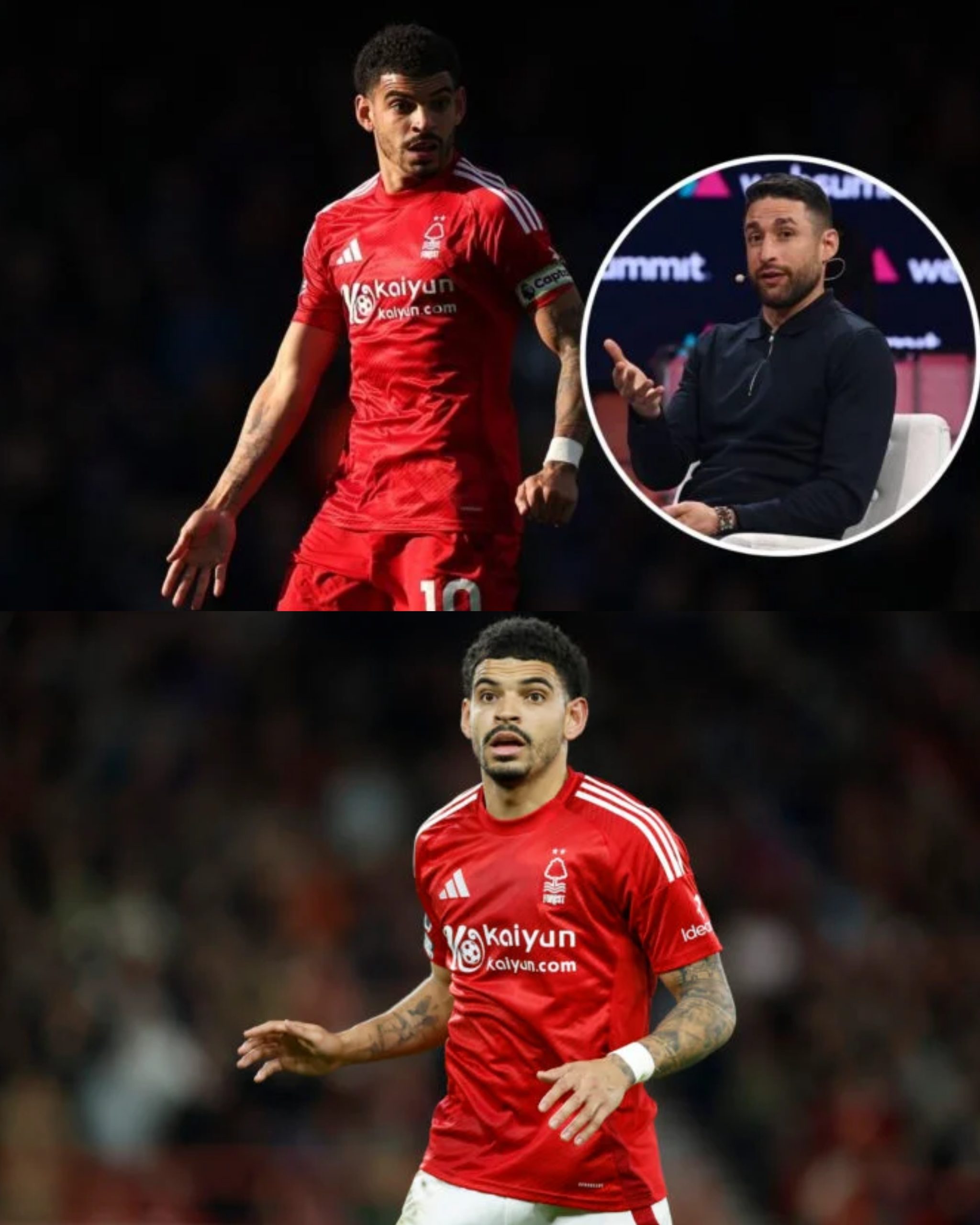
As Nottingham Forest prepares for the crucial summer transfer window ahead of the 2025/26 campaign, the club stands at a crossroads that could define the next phase of its evolution. With European football now firmly within their sights, the coming months will be pivotal, not only for securing their place in continental competition but also for shaping the squad that will aim to make a sustained challenge at the highest level.
After a busy and productive summer in 2024, where Forest were proactive in the transfer market, the club made a significant investment in its squad by adding 11 new players. These additions were part of an overarching strategy to improve both the depth and quality of the team, and they have already had a positive impact. The likes of Nikola Milenkovic, who strengthened the defense, and Elliot Anderson, who injected energy and creativity into midfield, have been crucial to Forest’s current position in the Premier League. However, despite these additions, Forest also faced a few departures, including the temporary moves of David Carmo and Marko Stamenic to Olympiacos on loan. These decisions highlighted the club’s commitment to both improving its starting lineup and ensuring that those who might not be immediate first-team options could still gain valuable experience elsewhere.
Looking ahead to the summer of 2025, the stakes will be even higher for Forest. If they manage to secure a spot in Europe, whether in the Champions League or Europa League, it will not only provide the club with increased revenue and global exposure but also enhance their ability to attract top-level talent. European football would offer a platform to build on their current momentum, and the club’s board and management will undoubtedly be focused on making the right moves to ensure that they can compete on multiple fronts next season. However, this opportunity also brings with it the potential for a series of difficult decisions regarding their current roster.
One of the most pressing concerns for Forest will be how they manage their most prized assets, particularly Morgan Gibbs-White. The 24-year-old has been at the heart of Forest’s success this season, contributing significantly to the club’s attacking play. Since joining in 2023, Gibbs-White has been instrumental in driving the team forward, showcasing his creativity, vision, and technical ability. He’s been involved in countless key moments and has been the spark in their attack, providing assists and influencing games with his ability to link up play. However, his standout performances have also attracted interest from some of Europe’s elite clubs.
Among the suitors reportedly monitoring Gibbs-White is Manchester City, who, following the expected departure of Kevin De Bruyne, will be in the market for a new number 10. City’s interest in Gibbs-White has been a topic of growing speculation in recent months, with journalist David Ornstein confirming that the club is considering the Forest star as a potential replacement for De Bruyne. This interest is not without merit, as Gibbs-White’s ability to control the tempo of games, pick out incisive passes, and unlock defences makes him a natural fit for the kind of attacking midfield role that City will need to fill. The prospect of joining one of Europe’s top teams, especially after they’ve lost a player of De Bruyne’s stature, would undoubtedly be appealing to Gibbs-White. The opportunity to work under Pep Guardiola and compete for major titles would be a tempting prospect for any player.
While Manchester City’s interest represents a significant challenge for Forest, it’s important to recognize the potential advantages that could come with the situation. Forest invested £25 million in Gibbs-White, which now looks like an incredibly shrewd piece of business. Given his performances, the club could now stand to make a significant profit on the player if he does move on, with reports suggesting that the fee could rise to £40 million with add-ons. This would represent a major windfall for the club, which they could reinvest in bolstering the squad. Given Forest’s financial position and the ever-increasing financial demands of the Premier League, such a sale could allow them to strengthen other areas of the squad, making them more competitive and better equipped for the challenges ahead.
However, while the potential financial gain is appealing, Forest’s priority will be to try to keep hold of their star player, especially if they manage to secure European football. A place in the Champions League could provide the club with the platform to not only compete with the best in Europe but also offer Gibbs-White the chance to play on the grandest stage. The opportunity to challenge for silverware, alongside playing in one of the most prestigious competitions in world football, could help persuade the midfielder to stay. Forest will need to make it clear to Gibbs-White that his future is key to the club’s long-term plans and that they are building something special under manager Steve Cooper.
Beyond Gibbs-White, there will undoubtedly be other key players at risk of being courted by larger clubs. Forest’s position in the transfer market will largely depend on how well they perform in the remaining months of the 2024/25 season. If they manage to secure a top-four finish and a place in Europe, it will enhance their ability to retain key players and attract further quality additions. However, if they fail to secure a European spot, there could be more challenges ahead in terms of holding onto their best talents.
The summer of 2025 will not just be about keeping hold of players, though. Forest will also be looking to further strengthen their squad in anticipation of competing on multiple fronts. A successful European campaign will require depth, and the club may look to add players who can provide competition for starting spots and offer additional options in the final third. Having already made significant strides in improving the squad in 2024, Forest will need to continue their shrewd recruitment approach to ensure they don’t just survive in Europe but thrive.
If Gibbs-White does depart, Forest’s ability to reinvest the potential £40 million in their squad will be crucial. They will need to target players who can add creativity, flair, and goals to the side, as well as bolster their defensive options to ensure they remain competitive at the highest level. The club could look to sign a direct replacement for Gibbs-White, or they could use the funds to strengthen other areas of the pitch and spread the talent pool more evenly across the squad.
In conclusion, Nottingham Forest faces a defining summer ahead, one that will shape their future both domestically and on the European stage. The coming months will be crucial in determining whether they can retain their star players, strengthen their squad, and continue their rise in English football. The potential sale of Morgan Gibbs-White could provide a significant financial boost, but the club’s priority will be securing European football and building a squad capable of challenging for silverware. It will be a balancing act of retaining key players, making smart signings, and ensuring that the club continues its upward trajectory. Whatever the outcome, the next few months will be critical in determining whether Forest can cement their place among England’s elite.