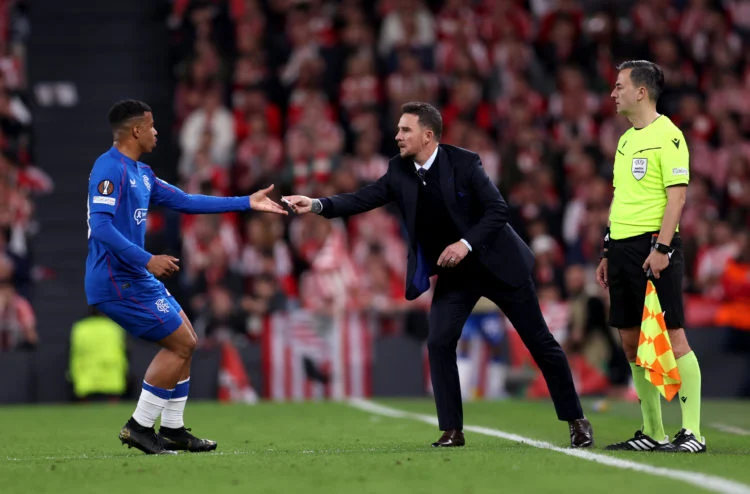
Barry Ferguson’s Interim Rangers Spell Ends in Heartache as Europa League Exit Caps Disastrous Season
— A Detailed Look at Rangers’ Collapse, Tavernier’s Honest Assessment, and What Comes Next for the Ibrox Side
Rangers’ season has officially come to a crushing end. The Glasgow giants bowed out of the Europa League with a 2-0 defeat to Spanish outfit Athletic Club, extinguishing any lingering hopes of salvaging silverware from what has been an immensely disappointing campaign. For interim manager Barry Ferguson, it marked a painful conclusion to a brief but emotionally charged return to the dugout—a stint defined not by trophies, but by a raw reconnection with the club’s soul.
In the aftermath of the loss, questions now swirl around the club’s future. With domestic failures fresh in the memory and a long, transformative summer looming, Rangers must make difficult decisions. Perhaps the most pressing among them: should Barry Ferguson, the man brought in to stabilise a faltering squad, be given the reins on a permanent basis?
The End of the Road – Europa League Exit Confirms Empty Season
For Rangers supporters, the 2024/25 campaign will go down as one to forget. A lacklustre Scottish Premiership title challenge saw Celtic surge clear, while early exits from both domestic cups sapped any remaining optimism. The Europa League had offered a glimmer of hope—one last platform to restore some pride—but even that avenue closed with a sense of inevitability against a slick Athletic Club side.
The Basque outfit’s movement and technical superiority ultimately proved too much. Goals in each half left Rangers chasing shadows and chasing the tie. The Ibrox side couldn’t find the spark to mount a comeback, and by the final whistle, the mood was one of resignation rather than rage.
While the disappointment was profound, it didn’t come as a shock. Ferguson had steadied the ship in some ways since stepping in following Philippe Clement’s departure, but the underlying issues—lack of cohesion, inconsistency, and individual errors—continued to plague the team.
Barry Ferguson – Club Legend, But Is He the Right Long-Term Choice?
Barry Ferguson’s name carries immense weight around Ibrox. A captain, a warrior, and a symbol of the club’s identity in his playing days, Ferguson was called upon in a time of turmoil. His arrival as interim manager was a nostalgic move—one rooted in emotional connection rather than managerial experience.
Yet for all the limitations he may have had tactically, Ferguson brought something intangible back to the club: belief. Alongside assistants Neil McCann and Gordon Durie, he reinstalled standards, pushed players hard, and reminded the squad what it means to represent Rangers.
His supporters will point to the fighting spirit shown in patches. His critics will note the absence of a distinct tactical identity and the failure to turn sentiment into consistent performances. Ultimately, the jury is still out, and the board now faces the difficult task of weighing up emotional loyalty versus pragmatic ambition.
James Tavernier’s Verdict – Captain Wants Ferguson to Stay
Perhaps the most revealing moment of the night came not on the pitch, but in the post-match interview. Club captain James Tavernier, speaking candidly to TNT Sports, didn’t shy away from praising Ferguson and openly expressed his desire to see the former skipper stay in charge.
“I’ve been really happy since Barry came in,” Tavernier said. “He’s really steadied the ship with us, the demand that he’s put on us lot, he obviously knows the DNA of the club with the staff he’s got. It’s obviously not my decision but I would love to have Barry for next season.”
Tavernier’s support wasn’t just a polite platitude—it was genuine. He spoke of the positive atmosphere around the training ground and the tactical input from Ferguson and his team, highlighting their collective effort in lifting morale during a bleak spell.
“Even tactically, with Neil and Doddsy, they’re a great group who get right behind the boys and push the boys,” he added. “So it’s obviously not up to me, but it would be good to see him stay here.”
That kind of endorsement carries weight. Tavernier is a long-serving figure at the club and commands respect. His comments will likely reflect the mood in the dressing room—a group that has responded to Ferguson’s passion and clarity.
Tavernier Takes the Blame – A Captain Owning Up to His Mistakes
While Tavernier backed his interim boss, he also shouldered the blame for a critical moment in the game. Athletic Club’s second goal came from a lapse in concentration at the back post, and the Rangers skipper took full responsibility.
“The second goal is on me,” he admitted. “I was organising and then I switched off with the cross and then it’s two goals and you’re trying to get back into the game with ten minutes to go. It’s obviously a lot to do.”
His honesty is refreshing, especially after a season filled with finger-pointing from fans and pundits alike. Tavernier’s admission that he lost his man—Nico Williams—was a small moment, but one that summed up a broader issue at Rangers this season: a lack of defensive discipline and mental focus at key times.
He didn’t stop there. Tavernier also acknowledged the deep flaws in Rangers’ domestic campaign and the looming changes ahead.
“We have to reflect on this season because it’s not been good enough, especially domestically, so we have to address that. There’s obviously going to be a lot of change within the club so we can only get better.”
Those comments were a clear signal that this summer won’t just be about adding players—it will be about reshaping the entire club ethos.
The Rebuild Ahead – Who Stays, Who Goes, and What Kind of Manager Is Needed?
Rangers now stand at a crossroads. With the season over and the fans growing restless, the board must chart a clear path forward. That includes deciding whether Barry Ferguson should remain as manager, or whether to appoint someone with a more polished managerial CV.
The answer isn’t simple. Ferguson offers authenticity, passion, and a cultural fit. He represents a line back to Rangers’ best values. But whether that’s enough in the modern game is another matter entirely. The demands of European football, recruitment strategy, player development, and media handling require a rounded manager with vision and versatility.
Beyond the manager, the squad itself is likely to undergo major changes. Veterans may move on. Underperforming signings will be assessed. A new-look Rangers side will emerge in August—and whoever leads them must be prepared to deal with the pressure of immediate results.
For Ferguson, his time at the helm might not have produced trophies, but it certainly rekindled a sense of identity. Whether he remains part of the next chapter or not, his influence may well linger as the club looks to rebuild.
Final Thought
The curtain has come down on a deeply frustrating season for Rangers. While the Europa League exit hurts, it’s also a line in the sand—a chance for the club to draw breath, re-evaluate, and rebuild. Barry Ferguson’s spell may not have ended in glory, but it reminded everyone of what Rangers stands for. Now, the board must decide whether that sentimentality should be the foundation of the future or if the time has come to bring in a fresh, ambitious voice to guide the club forward.
Either way, one thing is clear: this summer will be one of the most pivotal in Rangers’ modern history.
Would you like a fan reaction section or a possible list of managerial candidates next?