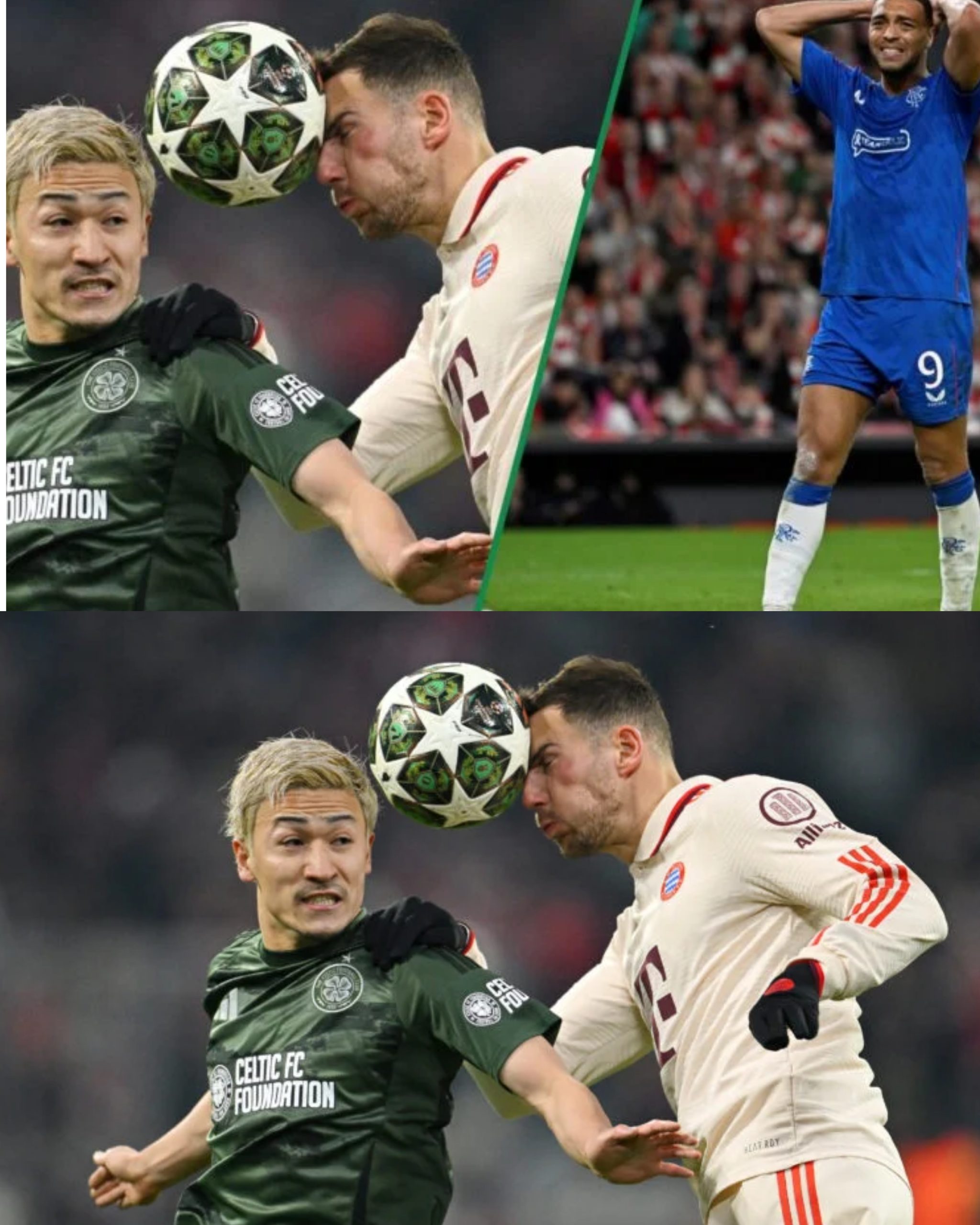
Celtic and Scotland Face a New European Reality: Coefficient Decline Signals an Era of Change
Over the past two decades, Celtic have grown used to being Scotland’s European torchbearers. From famous Champions League nights under the lights at Celtic Park to fighting bravely in hostile away grounds, they’ve represented the Scottish Premiership with pride and ambition. But now, both Celtic and Scottish football as a whole are facing a fresh challenge — not one determined solely by performance on the pitch, but by a metric that weighs consistency, longevity, and collective national success: the UEFA coefficient.
Scotland’s UEFA coefficient — a five-year rolling average that ranks the performance of clubs from each nation in UEFA competitions — has taken a considerable hit. Years of underperformance, particularly by teams outside the Old Firm, have caught up with the Scottish game. For a brief time, the country had climbed the rankings, enjoying two guaranteed Champions League spots and direct entry to the group stages. Now, those advantages are under threat, and for the first time in years, Scottish football is staring down the barrel of regression on the European stage.
Understanding the UEFA Coefficient and Why It Matters
The UEFA coefficient isn’t just a number — it dictates the number of clubs a nation can send to UEFA competitions, and more importantly, at what stage those clubs enter the fray. Countries ranked in UEFA’s top 10 get privileges: league winners enter the Champions League group stage automatically, runners-up enter in later qualifying rounds, and third- or fourth-placed sides head straight into the Europa or Conference League group stages.
Once upon a time, Scotland benefited from being inside this elite group. But after Rangers’ exit in the quarter-finals of the Europa League this season and no other Scottish side progressing in Europe, Scotland has now dropped to 14th in the UEFA coefficient rankings. The implications are significant:
Two Champions League places remain, but both clubs must now qualify.
The league winners, currently on track to be Celtic, must enter at the play-off round — a dangerous and high-stakes two-legged tie.
The runners-up must fight through three qualifying rounds to reach the Champions League.
The Europa League and Conference League entrants also start from early qualifying rounds — an exhausting and risky path.
The days of guaranteed windfalls from group stage football are over — at least for now.
Rangers’ Exit: A Blow Felt Across the Nation
When Rangers fell to Athletic Club in the Europa League quarter-finals, it marked more than just the end of their own European journey. It ended Scotland’s season in UEFA competitions entirely, freezing the nation’s coefficient score for the year. That single result allowed rival nations like Switzerland and Austria to overtake Scotland in the rankings, reinforcing the delicate nature of the coefficient system — one season of poor results can undo years of work.
It was especially frustrating given the momentum Scottish clubs had been building. Both Celtic and Rangers had made progress this season, gaining key victories and group-stage experience. But the foundations were shaky, thanks largely to the catastrophic 2022/23 season, when no Scottish club won a single knockout game, and several exited in early rounds. That season alone dragged the five-year average down by a huge margin — a millstone now around the ankles of all Scottish sides, regardless of how well they’ve performed since.
The Burden on Celtic: Standard-Bearers Once Again
With Rangers out and no other Scottish club contributing significantly to the coefficient, the burden now falls — as it so often has — on Celtic. The Bhoys, under Brendan Rodgers, are on track to win the league title for the 13th time in 14 years, but their reward won’t be the automatic Champions League berth they enjoyed in previous seasons.
Instead, Celtic must prepare for a high-pressure Champions League play-off round in August. It’s a tough route: only five teams progress from 10, and failure means dropping down into the Europa League, which, while still prestigious, doesn’t offer the same level of financial reward or prestige. Even more critically, early elimination damages the national coefficient further, making future European campaigns even more challenging.
Despite likely being seeded in the play-off draw — due to their domestic dominance and recent European appearances — there are no guarantees. In past seasons, seeded teams have been knocked out by sharp, well-prepared opponents from Belgium, Ukraine, or Scandinavia. The draw takes place on August 4th, with ties played across August 19/20 and 26/27. Celtic must hit the ground running.
That means a strong pre-season, smart recruitment, and the return of experienced European campaigners could be crucial. One name repeatedly linked is Kieran Tierney, the former Celtic hero whose European experience with Arsenal would be a major asset, especially with questions over Greg Taylor’s availability as he prepares to welcome his first child. Tierney’s potential return could galvanize both the squad and the fanbase, giving Celtic a Champions League-calibre defender right when they need one.
The Harsh Truth: Celtic and Rangers Can’t Do It Alone
Perhaps the most sobering aspect of this situation is that, for all Celtic’s efforts — and even Rangers’ Europa League run — it’s not enough. UEFA coefficient points are calculated as a national total, meaning every club that competes in Europe contributes to the country’s average.
As it stands, over 75% of Scotland’s total coefficient points this season came from the Old Firm. This is not sustainable. Nations like Belgium and the Netherlands have multiple clubs regularly competing in group stages and knockout rounds — Gent, Genk, Club Brugge, AZ Alkmaar, Feyenoord — all playing their part.
In contrast, Scottish clubs like Hearts, Hibs, and Aberdeen have struggled to make an impact, often failing to reach group stages or losing in early rounds. Until they step up, Scotland will not re-enter UEFA’s elite.
It’s imperative for the SPFL and Scottish FA to invest more in supporting these clubs during European campaigns. From fixture flexibility to financial backing and strategic planning, if these clubs can reach group stages — even in the Conference League — it adds invaluable coefficient points.
The Consequences of Further Decline
Should Scotland fall further, finishing 16th or lower in future UEFA rankings, the consequences grow even more severe:
Only one Champions League spot will be granted.
Fewer teams overall would enter European competition.
Clubs would enter earlier qualifying rounds, making group-stage access even harder.
Financial losses would mount, widening the gap between Scottish clubs and their European rivals.
It’s a vicious cycle: poorer results mean tougher draws, which lead to earlier exits, which result in fewer coefficient points and further drop-offs in rank.
The Road Ahead: A Moment of Truth for Scottish Football
Celtic have long carried the flag for Scottish football in Europe, and once again, the weight is on their shoulders. But this time, it’s different. The stakes aren’t just about reaching the Champions League group stage for financial rewards or pride — it’s about keeping Scotland’s European status alive.
The next few months will be pivotal. A successful transfer window, the return of players like Tierney, and strategic preparation for the August play-off round could be the difference between progress and further setback. Meanwhile, clubs across Scotland need to rise to the challenge. Reaching group stages must be the minimum expectation, not an overachievement.
Only then can Scotland begin to climb the UEFA coefficient ladder once again — and only then can Celtic’s efforts in Europe become part of a broader, more successful national strategy.
For now, the road is steep, and the margin for error is slim. But if Scottish football can rally — if clubs invest, plan, and perform — the climb back to Europe’s elite can begin.
Would you like this edited into a newsletter, club blog post, or something formatted for social media or fan forums?