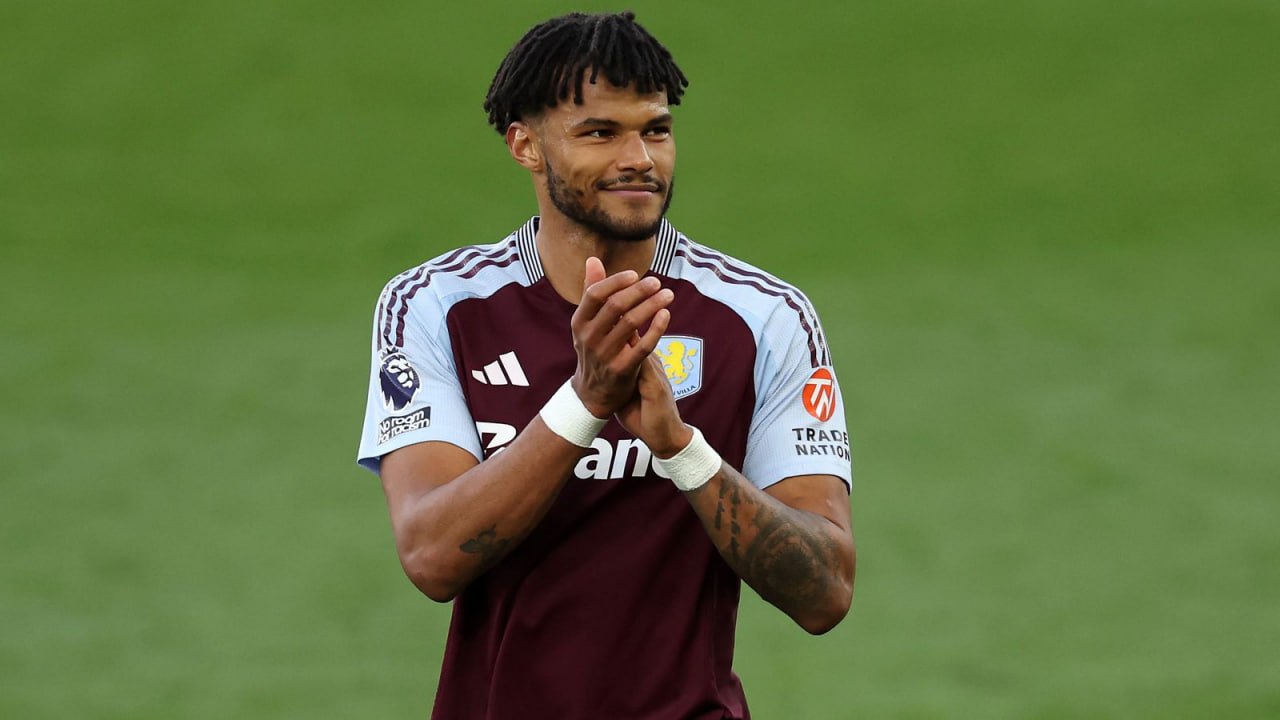
Mings captains Villa at Fenerbahçe
By 247sportcity | Thursday, January 22, 2026
ISTANBUL – The Şükrü Saracoğlu Stadium is widely regarded as one of the most intimidating cauldrons in world football, but for Aston Villa, Thursday night’s UEFA Europa League clash against Fenerbahçe was defined by a sense of heroic homecoming. In a matchday 7 encounter dripping with narrative, the headline news was the triumphant return of Tyrone Mings, who not only stepped back onto the pitch but reclaimed his mantle as the club’s spiritual and literal leader.
With the “Yellow Canaries” faithful creating a wall of sound in the Turkish capital, Villa navigated a complex selection crisis to field a side bolstered by returning veterans and a historic milestone in the dugout.
The Return of the King: Mings Reclaims the Armband
For Tyrone Mings, the journey back to the starting XI has been a test of mental and physical fortitude. Having been sidelined since early November with a persistent injury, the towering center-back’s absence has been keenly felt during Villa’s recent domestic stutters.
However, with club captain John McGinn ruled out due to an injury sustained in the recent clash against Everton, Unai Emery turned to his most experienced lieutenant. Mings did not just return as a defender; he returned as the Captain. His presence in the heart of the backline provided an immediate psychological lift to a squad looking to secure their place in the Europa League knockout stages.
The Goalkeeping Carousel: Bizot Steps In
The injury bug that has plagued Villa Park this winter didn’t stop at the midfield. World Cup winner Emi Martínez was a notable absentee from the matchday squad, ruled out with a knock that forced Emery to shuffle his options between the posts.
Enter Marco Bizot. The veteran goalkeeper was handed his fourth appearance of the Europa League league phase, tasked with maintaining his composure against the relentless pressure of the Fenerbahçe frontline. Bizot’s inclusion was a calculated move by Emery, opting for the Dutchman’s continental experience in an environment where communication and nerves of steel are paramount.
[Table: The Istanbul Shuffle — 5 Key Changes]
Following a disappointing Premier League defeat against Everton, Unai Emery opted for a significant tactical “refresh,” making five changes to his starting lineup.
| Outgoing Player | Incoming Starter | Tactical Impact |
| Emi Martínez | Marco Bizot | Experienced cover in goal |
| Pau Torres | Tyrone Mings | Leadership and aerial dominance |
| Ian Maatsen | Lucas Digne | Defensive solidity on the flank |
| Ezri Konsa | Victor Lindelöf | Technical ball-progression |
| John McGinn | Jadon Sancho | Creative spark in transition |
Emery’s “Centurion” Moment: A Managerial Milestone
While the players focused on the pitch, the man in the technical area was quietly making footballing history. Thursday night marked Unai Emery’s 100th match in major European competitions (excluding qualifiers) since his debut in the 2009/10 season.
Emery becomes the first manager in history to reach this landmark milestone, cementing his reputation as the “King of the Europa League.” From his early days at Valencia and his historic three-peat with Sevilla to his spells at Arsenal and Villarreal, Emery has defined the modern era of continental knockout football. Reaching the century mark in a venue as historic as the Şükrü Saracoğlu was a poetic tribute to a career built on tactical obsession and European pedigree.
Tactical Depth: The Bench and the “Onana Boost”
Emery’s bench in Istanbul was perhaps as telling as his starting XI. By resting pillars like Pau Torres, Ezri Konsa, and Ian Maatsen, the Spaniard signaled a clear strategy of load management amidst a congested winter schedule.
However, the most encouraging sight for the traveling Claret and Blue army was the inclusion of Amadou Onana in the matchday 22. The Belgian powerhouse has been a massive miss in the engine room, and his return to fitness provides Emery with the physical “destroyer” profile needed to close out tight games. While Onana started among the substitutes, his availability changed the entire complexion of Villa’s tactical flexibility for the second half.
The Defensive Wall: Lindelöf and Digne Recalled
To shield Bizot, Emery opted for the veteran duo of Victor Lindelöf and Lucas Digne. Lindelöf’s inclusion alongside Mings offered a “old-school” defensive pairing—two players comfortable under pressure and capable of reading the game at the highest level.
Digne, meanwhile, was tasked with containing Fenerbahçe’s dangerous wide men, providing a more conservative and disciplined defensive presence than the adventurous Ian Maatsen. In the high-intensity atmosphere of Istanbul, Emery clearly prioritized “cool heads” over youthful exuberance.
The Creative Spark: Sancho’s Opportunity
With McGinn out, the creative burden fell squarely on the shoulders of Jadon Sancho. Reinstalled into the starting XI, Sancho was given a “free-role” to roam behind the strikers and exploit the gaps in the Turkish defense. After a series of inconsistent performances, this European night represented a golden opportunity for the winger to prove he can be the primary playmaker in Emery’s sophisticated 4-2-2-2 system.
The Verdict: A Night of Resurgence
Aston Villa’s trip to Turkey was more than just a fixture; it was a statement of squad depth and managerial greatness. The return of Tyrone Mings as captain provides the emotional anchor the team has lacked in recent weeks, while the return of Onana suggests the midfield crisis may soon be over.
As Unai Emery celebrates his 100th European game, he does so with a squad that is beginning to heal at exactly the right time. The “Road to Bilbao” continues, and with Mings back at the helm, Villa Park is once again dreaming of a European trophy.