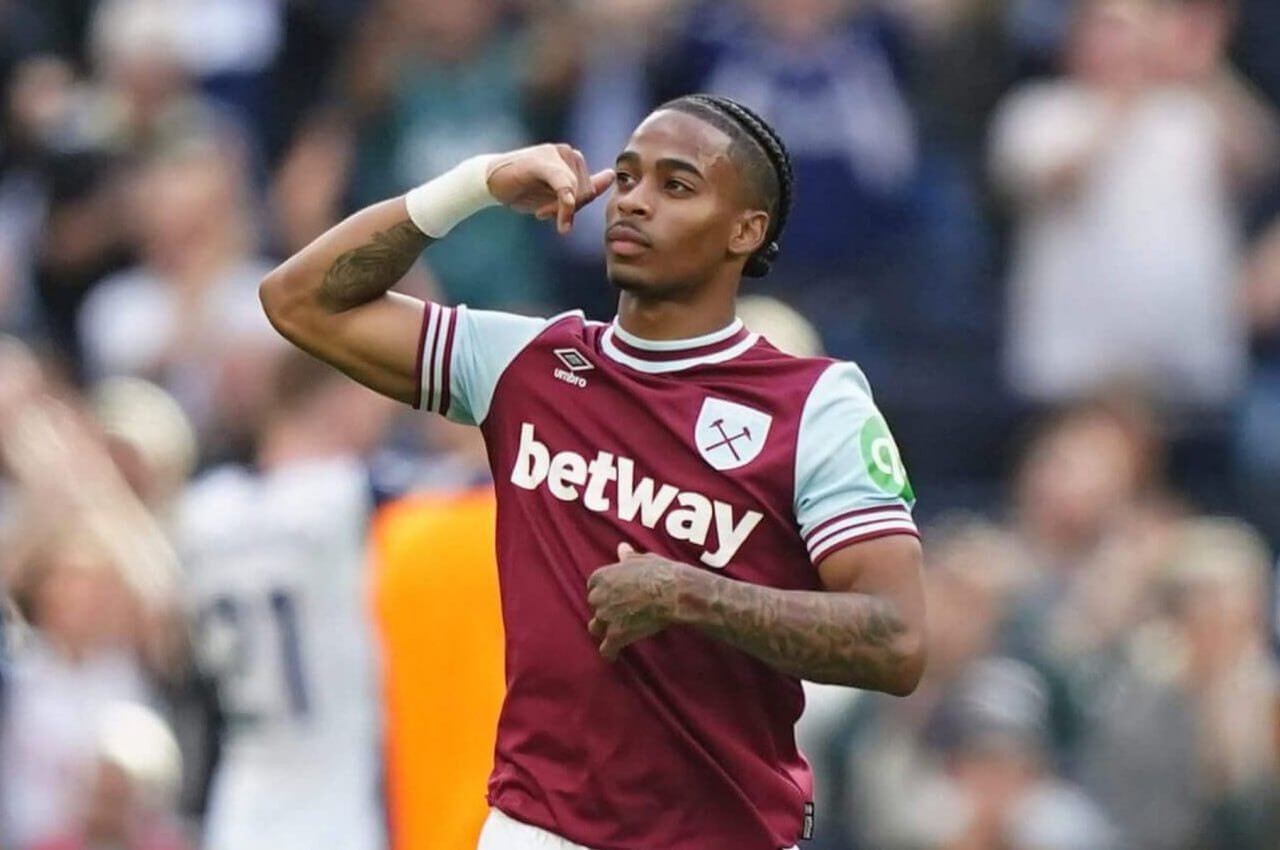
Crysencio Summerville’s recent legal troubles have added an unexpected layer of controversy to what has otherwise been an impressive period in his footballing career. The West Ham United winger, currently enjoying a strong run of form on the pitch, has been fined £10,000 after admitting to driving while banned and without insurance. While the punishment stops short of a custodial sentence, the case has sparked wider discussions about player responsibility, club oversight, and the growing scrutiny athletes face in the modern era.
The incident itself dates back to early 2025, when Summerville was reportedly seen driving a high-performance Mercedes AMG GLE 63 near West Ham’s Rush Green training complex in Essex. At the time, he was already serving a driving ban, making his decision to get behind the wheel not only unlawful but also highly risky. The situation was further compounded by the fact that he was driving without insurance, an offense that carries serious legal consequences in the United Kingdom.
What makes this case particularly notable is how it came to public attention. Rather than being uncovered through routine police work, the incident was reportedly flagged after a fan-recorded video circulated, showing Summerville leaving the training ground in the vehicle. In an age where smartphones and social media have effectively turned the public into constant observers, this serves as yet another reminder that high-profile individuals are rarely out of sight. For professional athletes, whose lives are already under intense scrutiny, even seemingly minor lapses in judgment can quickly escalate into headline-making controversies.
Summerville admitted to the charges during a hearing in Romford earlier this year. The court ultimately handed down a £10,000 fine and extended his existing driving ban by an additional six months. While he avoided a potential prison sentence—something that was reportedly within the realm of possibility—the ruling still represents a significant mark against his record. It also raises questions about decision-making and accountability, particularly for someone operating within the structured and highly supported environment of a Premier League club.
The timing of the controversy is especially striking given Summerville’s recent performances on the pitch. The winger has been in excellent form, contributing seven goals in his last eleven appearances and emerging as a key figure in West Ham’s attacking setup. His absence from the recent clash against Manchester City was noted, though he is expected to return for the upcoming trip to Aston Villa. For a player in such good form, the off-field distraction could not have come at a more delicate moment.
Beyond the individual case, the situation has prompted broader questions about the role of football clubs in managing players’ behavior away from the game. Modern clubs invest heavily in player welfare, offering guidance on everything from financial management to mental health. However, incidents like this highlight the limits of institutional support. While clubs can provide education and resources, they cannot control every decision a player makes. Ultimately, personal responsibility remains paramount.
That said, there is increasing pressure on clubs to take a more proactive approach. With the stakes in professional football higher than ever—both financially and reputationally—teams may feel compelled to implement stricter internal policies and monitoring systems. This could include more rigorous checks on players’ legal status, such as driving eligibility, as well as enhanced education programs aimed at preventing similar incidents.
Summerville’s case is far from unique. Football has seen numerous instances of players finding themselves in legal trouble during their careers, often for issues related to driving offenses. These recurring patterns suggest that, despite the resources available to modern athletes, there is still a gap when it comes to translating guidance into consistent behavior.
For Summerville, the focus will now be on moving forward. On the pitch, he has the opportunity to continue his strong run of performances and reaffirm his value to the team. Off the pitch, however, he will need to demonstrate that lessons have been learned. In an era where public perception can shift rapidly, rebuilding trust is just as important as maintaining form.
In the end, this episode serves as a cautionary tale—not just for one player, but for the wider football community. Talent and success on the field do not grant immunity from the consequences of poor decisions. As the line between public and private life continues to blur, professionalism must extend beyond matchdays and training sessions. For players like Summerville, the challenge lies in ensuring that their actions off the pitch do not undermine their achievements on it.