Rangers have had their fair share of struggles this season, with inconsistencies in performances, key players failing to step up, and Philippe Clement making his own tactical missteps. While some of the problems they face are self-inflicted, there is an undeniable external factor that has contributed to their frustrations: the standard of officiating in Scotland.
Week after week, we have seen refereeing decisions that have left players, managers, and fans across the country scratching their heads. Some of these decisions have been so blatantly wrong that they have directly influenced the outcomes of matches. Rangers, in particular, seem to have been the victim of these errors on multiple occasions, leading to growing frustration within the club and among their supporters.
While every club has a right to complain when a decision goes against them, there comes a point where the number of mistakes and inconsistencies can no longer be ignored. That point has long since passed in Scotland, where VAR—supposedly introduced to bring clarity and fairness—has instead added another layer of confusion and controversy.
When Willie Collum was appointed as the head of refereeing in Scotland, he made grand promises about improving standards, increasing transparency, and restoring faith in match officials. His goal was to enhance the reputation of referees, create consistency in decision-making, and use VAR effectively to assist rather than hinder the officiating process. At the time, this sounded like exactly what Scottish football needed.
However, just months into his tenure, it has become clear that none of these promises have been fulfilled. If anything, refereeing standards have declined even further. VAR decisions remain erratic, match officials continue to make high-profile mistakes, and instead of increasing trust in referees, there is now more animosity than ever before between clubs, fans, and the SFA.
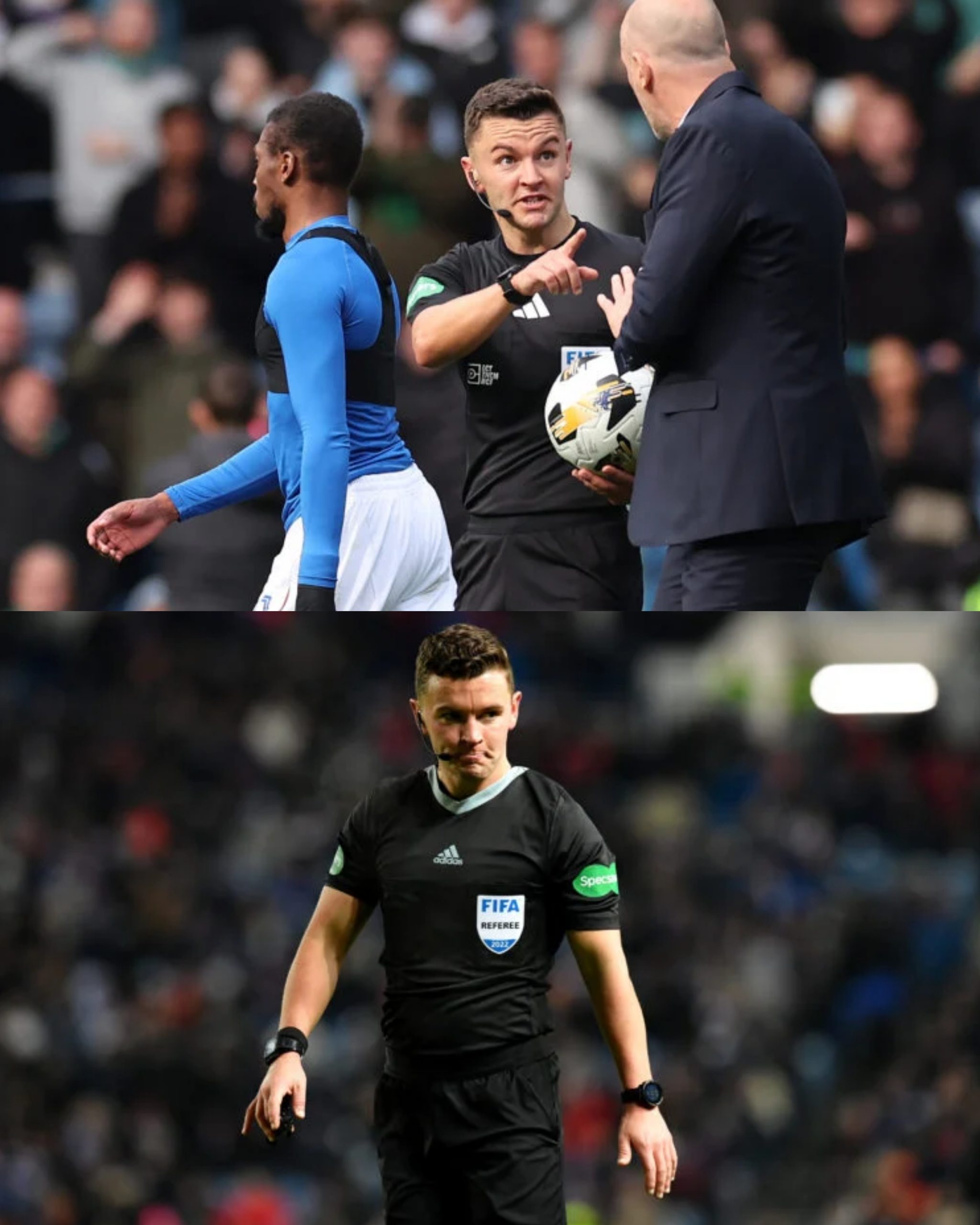
A prime example of the lack of accountability and improvement under Collum’s leadership is the handling of Nick Walsh. Just last week, Collum himself criticized Walsh’s decision to send off Mohamed Diomande at Tannadice—a decision that defied all logic. Walsh ignored both the advice of his VAR officials and the video footage he was urged to watch. It was an egregious error, the type that should result in serious consequences for any referee.
And yet, despite Collum’s public criticism, Walsh was immediately handed another major fixture: Celtic vs. Dundee United at Parkhead. There was no sign of punishment, no clear indication that his mistake had led to any repercussions. This is exactly the kind of inconsistency that angers fans and fuels conspiracy theories about how decisions are handled in Scottish football.
Collum promised accountability. He claimed that referees would be held responsible for their mistakes, just as players and managers are. But where is the evidence of that? If a manager repeatedly makes poor decisions that cost his team points, he faces immense scrutiny, pressure, and often dismissal. If a player consistently underperforms, he is dropped from the starting lineup or even sold. Yet referees continue to be given top assignments regardless of how poorly they officiate previous matches.
The complete lack of transparency surrounding refereeing decisions only adds to the frustration. Fans are told that mistakes are “dealt with internally,” but that phrase has become meaningless. There is no public explanation, no visible action taken, and no way for supporters to believe that referees are being held to any standard at all.
The introduction of VAR was meant to bring greater fairness to the game, yet it has only made things worse. Instead of providing clarity, it has become an unreliable tool used inconsistently depending on the match, the referee, and the teams involved. Clubs are losing faith in the system, and supporters are growing more disillusioned with the sport as a result.
Rangers fans are not alone in their anger. Across Scottish football, there is widespread frustration at the way officiating decisions are impacting results. Whether intentional or not, the level of incompetence shown by officials this season has made it impossible for clubs to feel they are being treated fairly. The controversies have overshadowed matches, drawn attention away from the quality of football, and made discussions about refereeing errors a weekly occurrence.
Scottish football cannot continue down this path. The SFA must take real action to address the worsening situation, not just issue vague statements about internal reviews and accountability. There needs to be genuine transparency in the decision-making process, clearer communication about refereeing standards, and actual consequences for officials who make repeated mistakes.
Until that happens, refereeing in Scotland will remain a joke, VAR will continue to cause more harm than good, and fans will keep losing trust in the integrity of the game. Willie Collum set his own standards when he took this role, and by those standards, he has completely failed. The question now is whether the SFA has the courage to make the necessary changes—or whether they will continue to ignore the issue and let Scottish football’s reputation sink even further.