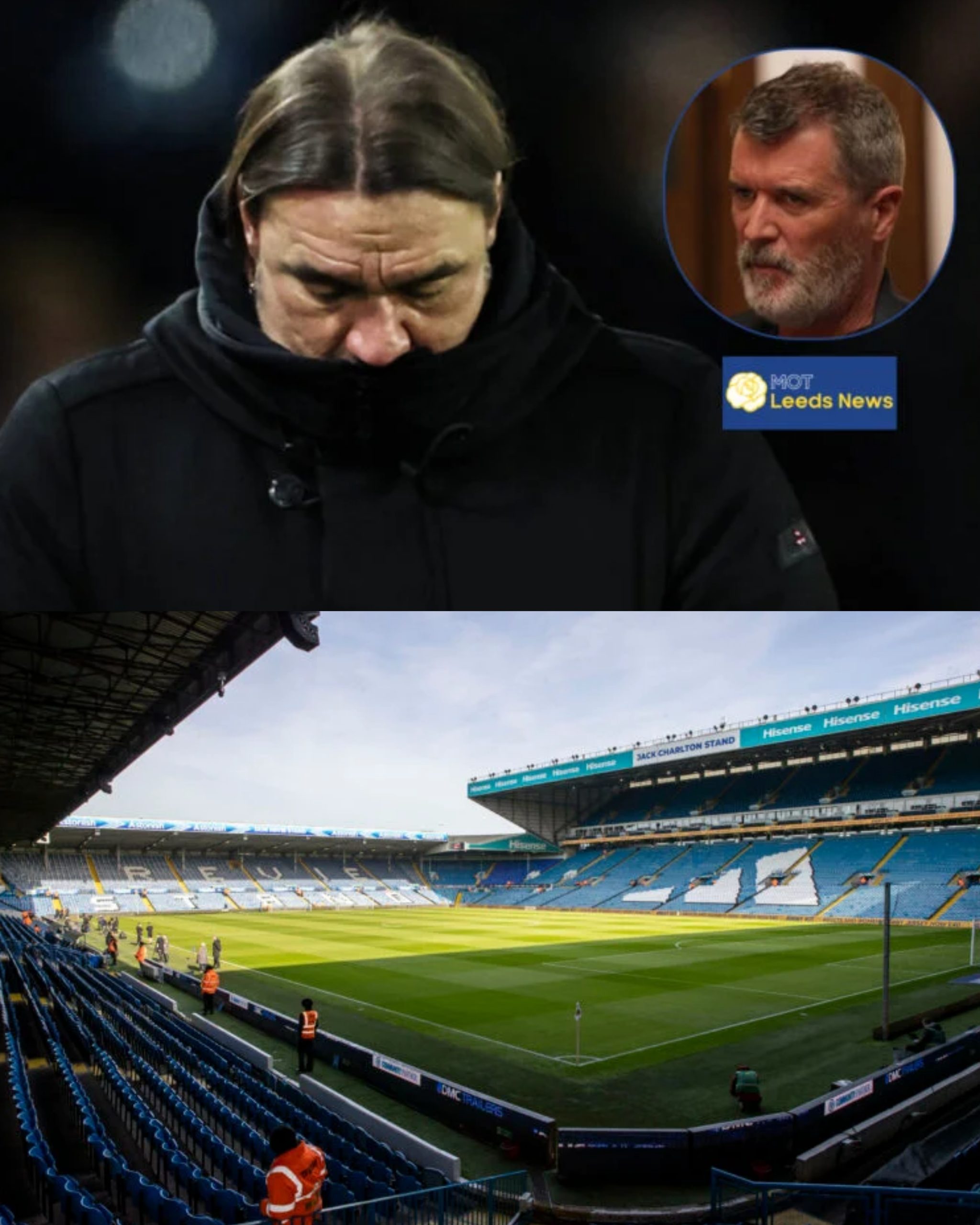
Daniel Farke has Leeds United on the cusp of something truly remarkable. After a difficult period where the club won just one of six matches, losing their position at the top of the Championship, Leeds now find themselves on the verge of securing promotion to the Premier League. The turning point came with a crucial 1-0 victory over Middlesbrough, coupled with a stroke of luck as Sheffield United and Burnley both dropped points in their respective fixtures. Now, with the Whites sitting atop the table and with momentum firmly behind them, Farke’s side are the favorites to claim the Championship title.
However, as any experienced manager will tell you, securing promotion is only part of the battle. Farke knows all too well the difficulties that come with transitioning from the Championship to the Premier League. He has experienced the highs of promotion and the lows of relegation with Norwich City, where he led the club to the top flight twice, only to see his tenure end with a sacking after a disappointing spell in the Premier League. This experience has likely shaped his approach to leading Leeds, and now more than ever, Farke’s managerial acumen will be tested. The Premier League brings an entirely different set of challenges, ones that are often unforgiving for newly promoted sides.
Roy Keane, a manager with extensive experience in top-flight football, provided some pointed advice to Farke on the Stick to Football podcast (April 10), warning him about the pressures of promotion. Keane, who knows the intricacies of managing in the Premier League, was blunt about the challenges that await newly promoted teams. He emphasized the need for Farke to remain calm and pragmatic, particularly in terms of playing style. The advice from Keane was straightforward: avoid putting pressure on players by demanding they play in a way they may not be comfortable with or capable of executing. Keane stressed the importance of understanding the limitations of your squad and playing to their strengths, rather than overcomplicating matters by trying to implement a high-risk, high-reward strategy that might not suit the personnel available.
Farke’s experience with Norwich, where he stuck to a possession-heavy style in the Premier League despite the club’s limitations, is a cautionary tale. Norwich’s relegation was a stark reminder that playing an expansive, ball-dominant style in the Premier League can sometimes backfire if the squad is not equipped to handle the intense pressure and high-quality opposition. In many ways, this serves as a lesson that Farke can apply to Leeds should they secure their place in the Premier League. The German manager must ensure that his tactical approach is adaptable, focusing on pragmatism and flexibility rather than rigidly sticking to one style that might leave his team exposed at the highest level.
While the challenges of the Premier League loom large in the distance, Leeds United’s primary goal remains clear: securing promotion. Despite their strong position, the club cannot afford to take anything for granted. Sheffield United and Burnley are breathing down their necks, and with the title race far from over, Farke must keep his team focused and determined. After a difficult run, the recent victory over Middlesbrough was a much-needed boost, but it’s important for Farke and his squad to maintain their focus and not become complacent. There are still key fixtures ahead, and every match will be crucial in ensuring that Leeds finish the season in the automatic promotion spots.
One of the key factors in Leeds’ successful push for promotion has been the form of players like Daniel James, who has been instrumental in providing pace, creativity, and energy on the wings. The club’s attacking play has been a significant asset throughout the campaign, but with the Premier League in sight, it will be crucial for these players to maintain their form. The pressure on them will undoubtedly increase as they approach the final stretch of the season, and Farke must ensure they are mentally prepared for the intensity of the run-in. While Leeds’ upcoming fixtures against lower-half teams like Bristol City (April 28) seem favorable, there is no room for complacency. These matches still need to be treated with the utmost seriousness, and Leeds must go into each game with the mentality that they have to win, irrespective of the opposition’s position in the table.
Despite a relatively easier run-in compared to other teams, Farke’s squad cannot afford to fall into the same trap as last season. Leeds’ heartbreaking playoff loss to Southampton in the final at Wembley serves as a stark reminder that anything can happen in the Championship, even when you’re in a commanding position. Last season, Leeds accumulated 90 points, a total that would have seen them comfortably promoted in most seasons, only to fall short in the playoff final. The emotional toll of that loss was significant, and Farke will want to avoid the same fate this time around. There is a temptation to look ahead to the Premier League, but Farke must remind his players that they need to focus solely on securing the points necessary to guarantee promotion. Only then can they shift their attention to the challenges that await them in the Premier League.
Farke’s focus must be on his team’s mentality. It’s easy for players to get distracted by the prospect of promotion, but Leeds must stay grounded. Their recent run of form has been encouraging, and the German manager has demonstrated an ability to regroup and re-focus his team after a tough period. Leeds are a different side now than they were when they struggled to find their rhythm, and Farke’s tactical adjustments have helped them regain control of the race for promotion. However, the final few games of the season will test his leadership more than ever. Farke needs to ensure his players stay level-headed and don’t get ahead of themselves.
When Leeds eventually do secure promotion (which seems likely given their position), Farke will face an even greater challenge in adapting to the Premier League. The top flight is notorious for its cutthroat nature, and survival is never guaranteed for newly promoted teams. It will be crucial for Farke to remember that the task does not end with promotion; rather, it is just the beginning. His tenure at Norwich showed that being promoted to the Premier League does not automatically guarantee success. Without significant investment in quality players, and without the tactical flexibility to cope with the demands of the league, staying in the top flight is a monumental challenge. Farke must use his experiences, both the successes and the disappointments, to ensure that Leeds don’t suffer the same fate as Norwich did in the Premier League.
While Farke’s immediate focus remains on promotion, he must already be thinking ahead to next season. If Leeds do make it back to the Premier League, the squad will need to be strengthened. Farke will likely need to address areas that are currently underperforming or where there is a lack of depth. He will also need to find the balance between maintaining the attacking football that has brought Leeds so much success this season, while also adapting to the more pragmatic style required to survive in the Premier League.
Farke has proved his ability to manage in the Championship, and he is well on his way to leading Leeds United back to the Premier League. However, the challenge now is not just about getting there; it’s about staying there. For Leeds, the final stretch of this season is pivotal. If Farke and his team can finish the job, they will have the chance to face the ultimate test in English football. The path ahead may be filled with challenges, but with the right mindset, tactical flexibility, and focus, Leeds United could return to the Premier League in style and give Farke the platform to build something special at Elland Road.