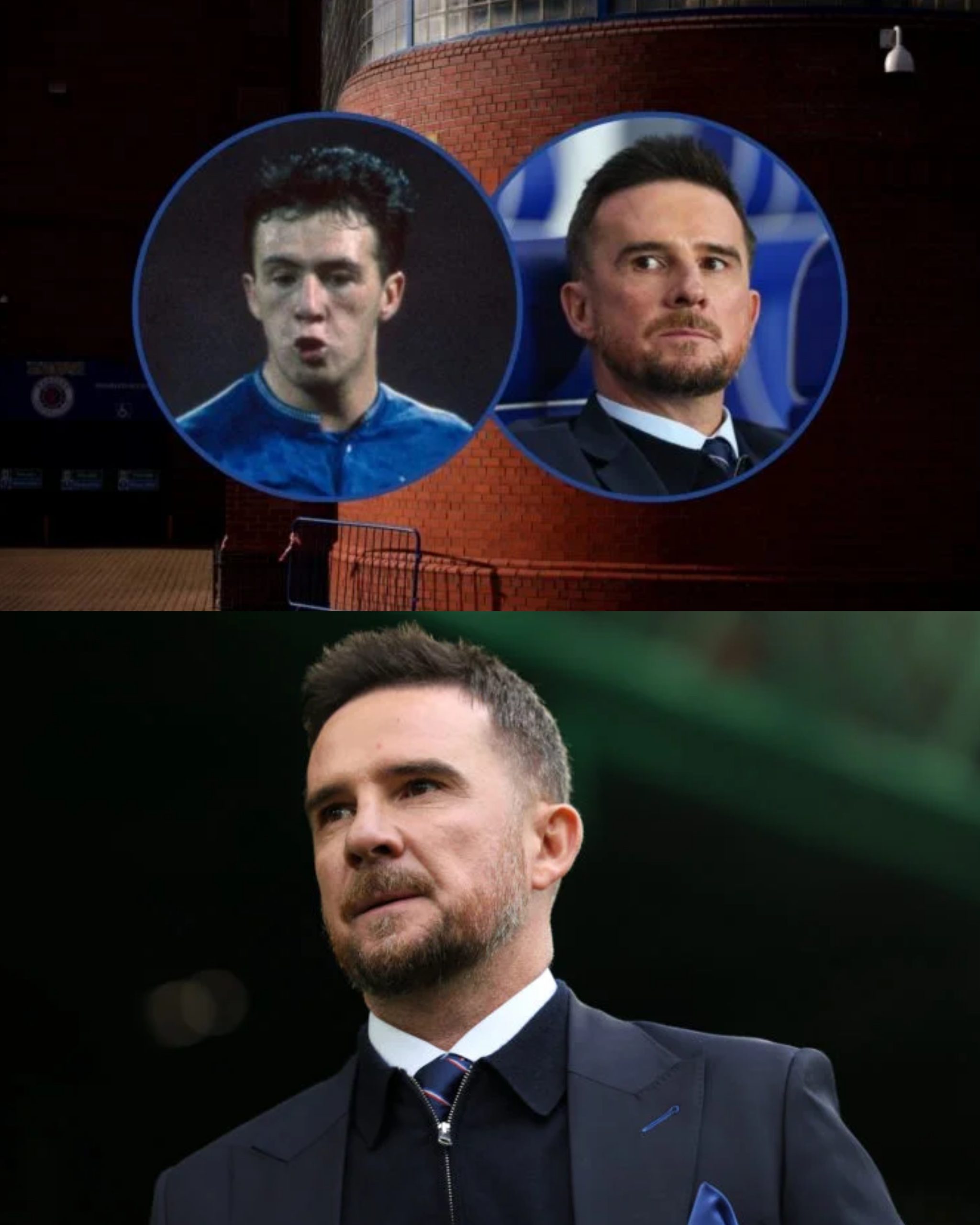
Barry Ferguson’s struggles as interim Rangers manager are a classic case of a former elite player grappling with the realities of management. As a player, Ferguson was the heartbeat of Rangers, setting the tempo in midfield, dictating play, and demanding high standards from his teammates. He captained Rangers through some of their most successful years in the late 1990s and 2000s, lifting multiple domestic trophies and competing at a high level in Europe. However, transitioning from a top-class player to a manager requires a shift in mindset—one that involves understanding that not every player shares the same technical ability, tactical awareness, or mental resilience that he had.
Derek Ferguson’s comments provide valuable insight into Barry’s biggest challenge in management: adjusting to the reality that the players he is coaching cannot perform at the same level that he did. This is a problem many former top players face when they step into management. They expect their squads to have the same level of technical execution, tactical discipline, and winning mentality that they possessed as players. But football doesn’t work like that. A manager’s job isn’t just about setting high expectations—it’s about figuring out how to get the best out of the players available to them.
Right now, Barry Ferguson seems to be struggling with that adaptation. He is visibly frustrated when his instructions aren’t followed to the letter, and he appears confused as to why certain things that seem simple to him aren’t being executed on the pitch. This is a key part of management: recognizing that different players have different strengths and limitations, and adjusting your tactical approach accordingly. If Ferguson fails to make that adjustment, he risks alienating his squad and failing to get the best out of them.
The inconsistency Rangers have shown under his tenure is a perfect reflection of this issue. On one hand, they have secured big, high-energy victories, such as their 3-2 Old Firm triumph over Celtic and their dramatic penalty shootout win against Fenerbahce to reach the Europa League quarter-finals. On the other hand, they have struggled in domestic fixtures where they are expected to dominate.
A perfect example of this inconsistency was the recent 4-3 victory over Dundee at Dens Park. On paper, Rangers should have controlled the game from start to finish. Instead, they found themselves 3-1 down and had to mount a late comeback to scrape a victory. Ferguson’s post-match comments about “old habits creeping in” suggest that he recognizes there are deeper issues within the squad, but his challenge is in figuring out how to correct them.
A major factor behind Rangers’ inconsistency is their midfield, which is nowhere near the level of the sides Ferguson played in. During his playing days, Ferguson was surrounded by midfielders of genuine international quality—players like Giovanni van Bronckhorst, Claudio Reyna, Kevin Thomson, Pedro Mendes, and Steven Davis. These were players who not only possessed technical ability but also had the experience, intelligence, and mental resilience required to thrive under pressure.
In contrast, the current Rangers midfield consists of players like Mohamed Diomande, Tom Lawrence, and Connor Barron. While these players have talent, they do not operate at the same level as Ferguson’s former teammates. They lack the consistency, composure, and leadership qualities that defined the Rangers midfields of the past. This makes it even more difficult for Ferguson to impose his footballing philosophy, as the players at his disposal may simply not be capable of executing his ideas at the level he desires.
This presents a major dilemma for Ferguson as a manager. Can he adapt his expectations and find a way to get the best out of this group of players? Or will he remain frustrated by their inability to meet his standards? Some of the most successful managers in football history were not necessarily the best players themselves, but they excelled because they understood how to maximize the potential of their squads. Barry Ferguson, on the other hand, was a top-level player, and his challenge is learning how to coach and manage players who do not share his skill set or footballing intelligence.
If Ferguson cannot bridge this gap, Rangers will continue to struggle with inconsistency. While high-profile victories like the Old Firm win will buy him some goodwill among the fans, Rangers are a club that expects domestic dominance. Dropped points against teams like Dundee, Kilmarnock, or St. Mirren will not be tolerated in the long run. If Ferguson continues to struggle in these types of matches, it will raise serious questions about whether he is the right man to lead Rangers beyond the end of the season.
This interim period is a crucial learning experience for Ferguson. If he wants to have a long-term career in management, he must show that he can adapt. That means accepting the limitations of his squad, adjusting his tactical approach to fit the players he has, and developing a coaching style that maximizes their strengths rather than focusing on what they cannot do.
Failure to do so could see him suffer the same fate as other former players who struggled to transition into management. Many great players have failed as managers because they could not separate their own playing experiences from the reality of working with a less talented squad. If Barry Ferguson wants to be successful in the dugout, he must quickly learn to bridge that gap. The coming weeks will be a major test of his ability to do just that.