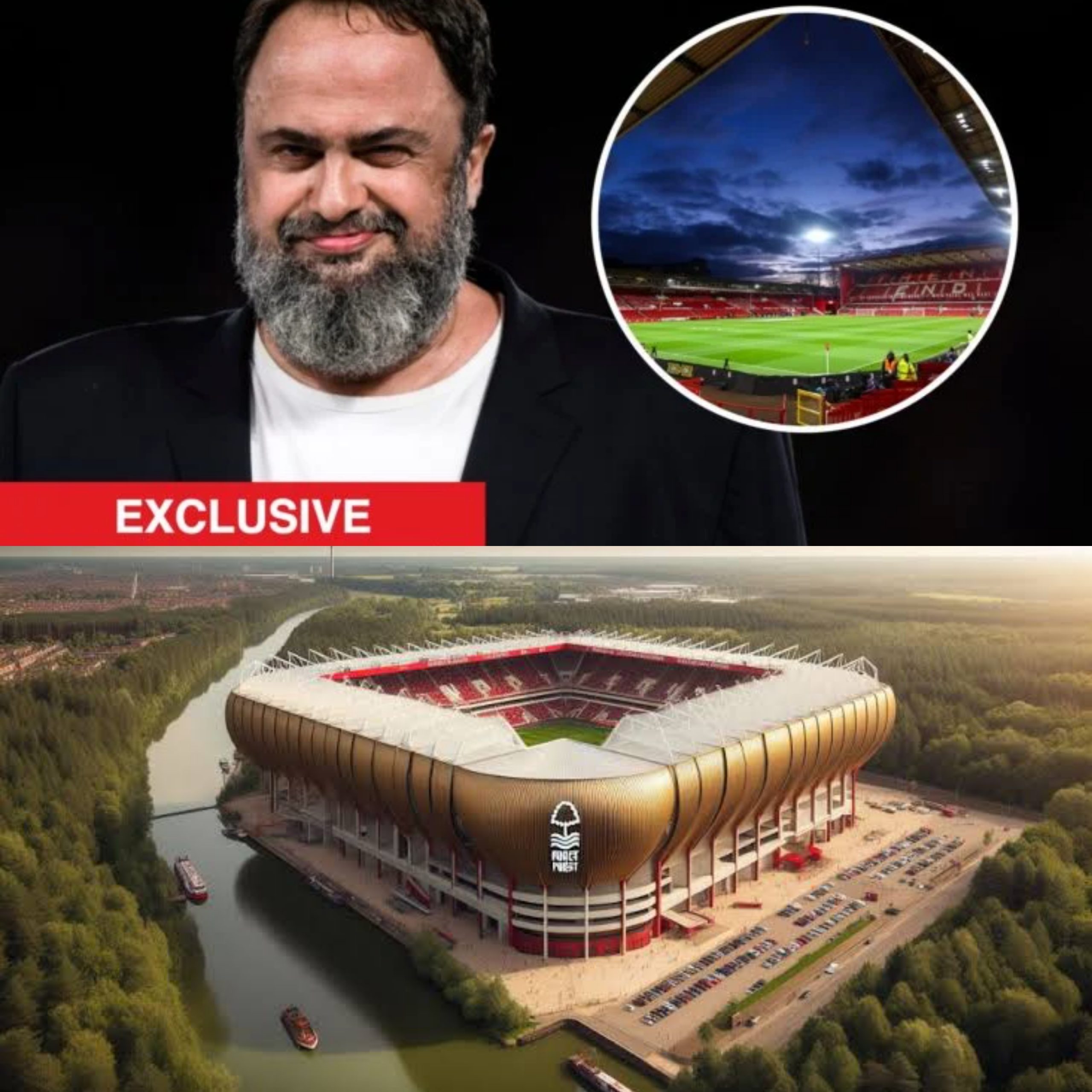
Nottingham Forest’s City Ground Expansion: An Ambitious Leap into the Future
The vision for Nottingham Forest under the ownership of Evangelos Marinakis is one that blends footballing ambition with business strategy. At the heart of this vision is the development of the club’s iconic stadium, the City Ground, which is currently undergoing a transformation that will set the stage for the club’s long-term future both on and off the pitch. With £130 million committed to the first stage of expansion, Marinakis’ ambition to grow Forest into one of England’s leading football clubs is taking shape in a very tangible way.
The First Phase: Expanding the Peter Taylor Stand
The initial phase of the redevelopment focuses on the Peter Taylor Stand, which, once completed, will add an additional 5,000 seats to the stadium’s existing capacity, taking it from 30,000 to 35,000. While it may seem like a modest increase, the implications for Nottingham Forest’s finances are far-reaching. This relatively small expansion is the first step toward a much larger and more ambitious transformation of the City Ground, one that will ultimately reshape not just the club’s facilities but its ability to generate revenue.
Delays and Approval Process
The approval for the expansion was not without its hurdles. The project was delayed to accommodate England’s friendly match against Senegal at the City Ground in June, but despite these setbacks, the local council has now granted the necessary approvals for the redevelopment to proceed. There are still logistical hurdles to overcome and additional hoops to jump through, particularly around the timing of when the construction work will commence and how to avoid disrupting the club’s regular match schedule. Nonetheless, the green light has been given, and the project is expected to start soon.
Revenue Growth Through the Expanded Stand
While the addition of 5,000 seats may seem incremental in comparison to other high-profile stadium expansions, the financial impact on Nottingham Forest is expected to be substantial. According to football finance expert Adam Williams, the increase in matchday capacity will have a disproportionate effect on the club’s revenue, far exceeding what might be expected from merely adding more seats. There are several factors at play here:
Matchday Income Projections
Williams explains that, based on a pro-rata calculation, the additional capacity could push matchday revenue up to around £17 million annually, a rise of about £2.6 million from the current total of £14.4 million. This assumes that the additional 5,000 seats are filled at similar prices to the current tickets. However, the true revenue boost is likely to be far higher than that initial projection due to several factors:
- Increased Ticket Prices: As the stadium is upgraded, ticket prices are likely to rise, especially in premium areas like corporate boxes and hospitality suites. As demand increases for seats in the new stand, Forest will have the opportunity to capitalise on this demand with higher ticket prices.
- Premium Seating & Hospitality: One of the most lucrative aspects of the expansion is the focus on premium experiences. The new stand will likely feature more executive suites, luxury boxes, and high-end hospitality areas, which can generate far more revenue per seat compared to standard tickets. This model is becoming a key source of income for many top-flight clubs, and Nottingham Forest is positioning itself to follow this trend.
- VIP & Corporate Events: The club is not just thinking about matchdays; the expanded stand will likely be used for corporate events, conferences, gala dinners, and other non-matchday activities. These events can provide an additional stream of revenue, ensuring that the City Ground is used year-round and not just during the football season.
Beyond the Peter Taylor Stand: The Vision for 50,000 Seats
While the expansion of the Peter Taylor Stand is a critical first step, Evangelos Marinakis’ ambitions for the City Ground stretch much further. The ultimate goal is to increase the stadium’s capacity to 50,000 seats, which would bring the club’s home in line with many of the Premier League’s biggest clubs. This long-term vision, however, is not without its challenges.
Costs of Further Expansion
The financial cost of expanding the City Ground to 40,000 seats, and ultimately 50,000, is expected to be substantial. Although Adam Williams believes that the next step up to 40,000 seats will be cheaper in proportion to the current expansion of the Peter Taylor Stand, the costs will still be significant. The real challenge, though, will come when Forest aims for their ultimate goal of a 50,000-capacity stadium.
Infrastructure and Transport Challenges
As Williams points out, a significant hurdle in increasing the stadium’s capacity will be the need to upgrade infrastructure around the stadium. This includes:
- Transport Links: With the increased capacity, there will be greater demand on public transport, roads, and parking. Nottingham Forest will need to invest in improving transport infrastructure to ensure that fans can safely and efficiently get to the stadium. This could involve upgrading local bus and tram services, creating more parking facilities, and potentially making improvements to roads and access routes around the stadium.
- Traffic Management: In addition to transport infrastructure, the club will need to develop a plan for managing foot traffic on matchdays. This could mean widening walkways, upgrading security, and ensuring that the surrounding area can handle the influx of fans on matchdays. These measures will all come with associated costs and timeframes, which will need to be factored into the overall budget.
Funding and Investment
Marinakis’ vision for a 50,000-capacity stadium will also require a substantial financial outlay. While the current phase of development is set to cost £130 million, expanding the stadium to 50,000 seats could cost anywhere from £300 million to £500 million, depending on the complexity of the design and the infrastructure upgrades needed. Given that the project would likely span several years, the club will need to secure additional financing through various avenues:
- Private Investment: The club might look to secure further private investment, either through loans or equity funding. The expanded stadium could also be used as collateral for future financing.
- Government Grants and Support: Large-scale infrastructure projects, especially those that benefit the local economy, often attract government grants or public funding. Nottingham Forest may be able to tap into such funding sources, particularly if the development brings significant economic benefits to the city.
- Sponsorship and Naming Rights: Another avenue for funding could be the sale of naming rights for the expanded stadium. Many clubs have already generated substantial revenue by selling the rights to their stadiums, and Forest could do the same to help fund their 50,000-seat goal.
Non-Matchday Revenue: Making the Stadium a Year-Round Asset
A key aspect of Marinakis’ long-term plan for the City Ground is the non-matchday revenue that the stadium will generate once it’s fully expanded. Modern stadiums are increasingly used for more than just football matches—they are becoming multifunctional venues that host a variety of events throughout the year. The inclusion of residential and commercial developments as part of the City Ground expansion will significantly boost Forest’s revenue potential:
- Real Estate Development: The City Ground expansion includes plans for residential and commercial properties, making it a mixed-use development that generates income well beyond matchdays. This kind of development has become standard in many modern stadium projects. The additional properties will likely bring in consistent revenue from rentals, sales, and business operations that could be rented out year-round, further improving Forest’s financial stability.
- Event Hosting: The expanded stadium could also host a variety of non-sporting events such as concerts, conferences, and even community events. These events would allow the club to monetize the stadium during the off-season, helping to keep revenue flowing year-round.
- Community Engagement: The redevelopment of the City Ground is not just about increasing revenue; it’s also about improving community engagement. The plans for new facilities and events at the stadium could foster a closer relationship between the club and the local community, encouraging more fans to engage with the team even when they’re not attending matches.
Looking Ahead: A Stadium for the Future
The expansion of the City Ground is just the beginning of what will be a long and transformative journey for Nottingham Forest. Evangelos Marinakis’ ambition to create a 50,000-capacity stadium will position the club as one of the most modern, financially stable teams in the Premier League. With multiple revenue streams, an expanded matchday experience, and a multifunctional venue, Forest will have the potential to compete at the highest level both on and off the pitch.
In conclusion, Nottingham Forest’s City Ground expansion is not simply a construction project—it’s a vision for the future. It’s a blend of footballing success, business growth, and community investment, all of which will help to solidify the club’s place among England’s elite football teams.