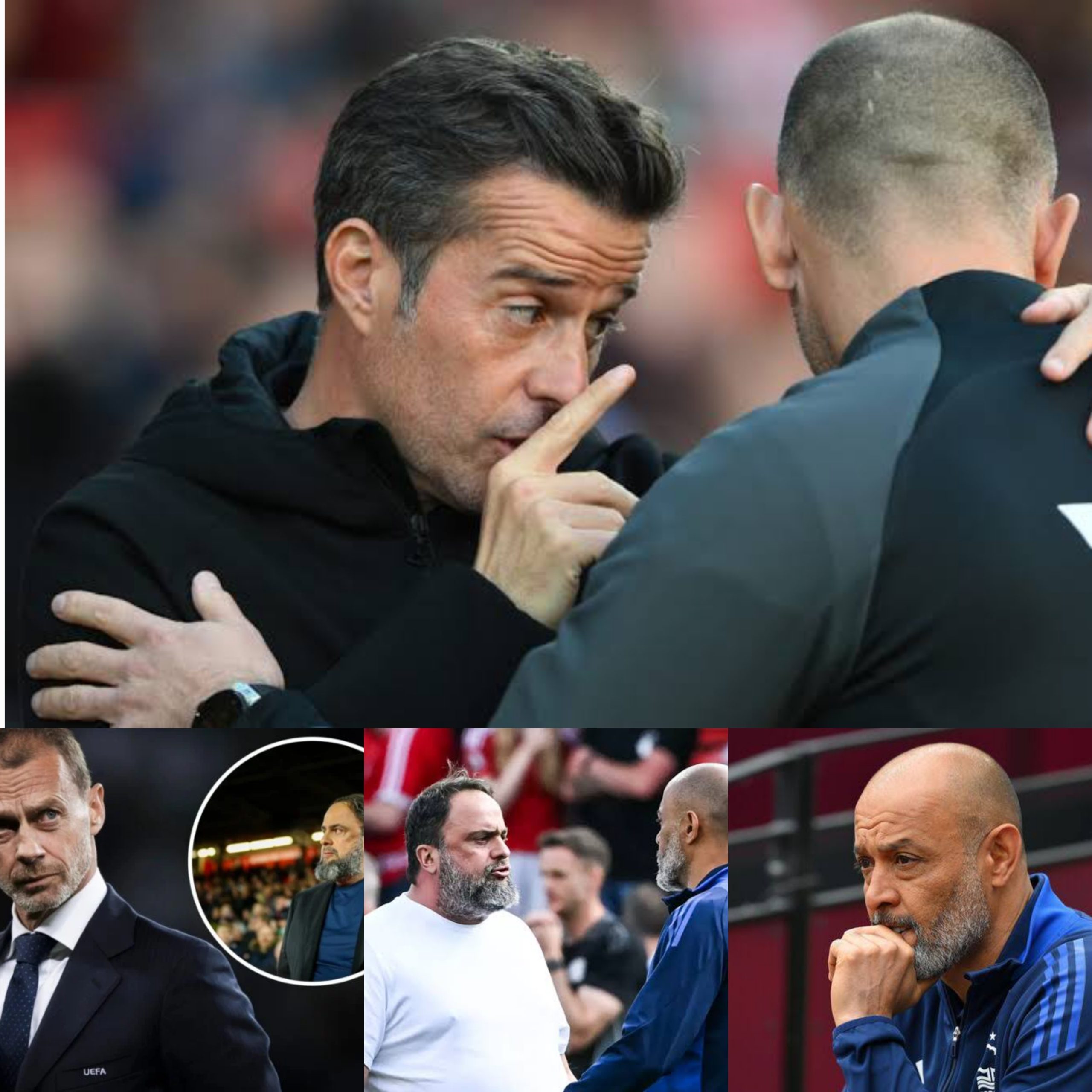
⚖️ 1. UEFA’s Multi‑Club Ownership Framework: Origins & Legal Backbone
1.1 The Foundation
UEFA’s Article 5 is the cornerstone of its multi-club ownership policy. Instituted to safeguard sporting integrity, it prohibits multiple clubs with common “control” or “influence” participating in the same UEFA competition. This includes direct ownership, board representation, or controlling significant business interests. The rule emerged in response to scandals and fears of match-fixing, collusion, and financial power imbalances.
1.2 Historical Enforcement & Precedent Cases
Drogheda United (2009): UEFA removed them from the Europa League after discovering shared ownership connections—a landmark enforcement .
City Football Group: With Manchester City and clubs like New York City FC and Melbourne City, the group negotiated clear “firewalls” and operational separations to satisfy UEFA—though public concern remains.
Red Bull’s Network: Red Bull Salzburg and RB Leipzig both made it into the Champions League; UEFA initially sanctioned shared player loans before insisting on independent management and stricter separation policies.
1.3 Why It Matters Now
As investment groups and syndicates grow, UEFA must maintain a balanced legal position to avoid regulatory collapse. Ironclad enforcement is critical against the rising tide of financial conglomerates in sport.
🏟️ 2. Profiles of the Key Clubs & Owners
Nottingham Forest & Evangelos Marinakis
Owner of Olympiacos and Nottingham Forest.
To preempt a UEFA breach, Marinakis temporarily suspended his involvement with Forest—echoing a voluntary ‘divestment’ move despite no direct breach occurring .
Noted for aggressive maneuvers when defending club interests (e.g., banning Gary Neville from City Ground after public disputes).
Crystal Palace & John Textor
Textor’s portfolio includes majority stakes in Crystal Palace and Olympique Lyonnais (Lyon).
Has not publicly moved to separate his influence—a future breach could arise if both clubs qualify for the same competition.
📝 3. The Conflict Unfolds Year by Year
Pre-2024
Marinakis preemptively separates interests in Forest vs Olympiacos.
Textor invests in Palace and Lyon, but UEFA remains initially quiet.
Mid‑2024 Season
Palace qualifies for the Europa League; Lyon also expected to qualify.
UEFA begins reviewing Textor’s ownership across multiple clubs.
Late 2024 / Early 2025
Nottingham Forest finish just outside Europa League qualification—but now in line if any club is disqualified.
Forest submit detailed clarifications request to UEFA about Palace’s status.
June 2025
UEFA reportedly prefers legal challenge from Forest over conflict with Textor, fearing weak legal precedent � cited by The Guardian .
Forest awaits official UEFA response; Palace continues preparing domestic and European campaigns.
🏛 4. Legal & Strategic Dimensions
4.1 UEFA’s Legal Risk Assessment
Potential outcomes of litigation:
Forest vs. UEFA: Likely seen as a “reasonable” test of the rule, less risky legally than a case against Textor.
Palace vs. UEFA: A loss could expose systemic loopholes and erode UEFA’s authority; possibly leading to lawsuits from other clubs.
4.2 Stakeholder Strategies
Forest/Marinakis: Seeking clarity, potentially triggering CAS proceedings to enforce Article 5.
Crystal Palace/Textor: Likely to defend status quo; may argue “lack of effective influence” and challenge UEFA’s definition of “control.”
UEFA: Caught between enforcing integrity and avoiding high-stakes litigation. May opt for internal safeguards, board-level negotiations, or strictly legal compliance measures.
🌐 5. Broader Implications for European Football
5.1 In Europe’s Investment Ecosystem
If UEFA defends Article 5 robustly, multi-club models will face increasing regulatory scrutiny and require structural separation and financial firewalls.
A weak ruling could lead to proliferation of cross-border investments with shared talent pipelines, commercial integration—even across Champions League competitors.
5.2 On Governance & Regulatory Scope
A court defeat antithetical to UEFA’s position could set legal precedent limiting their scope to regulate ownership based on financial scale rather than influence.
UEFA might respond by expanding its control policies or formalizing firewall architecture akin to anti-trust frameworks used in other industries.
📅 6. Timeline & What to Watch
Timeframe Key Events
Immediate (June–July) UEFA reviews documents; issues ruling or public stance—likely to Forest first.
Medium (July–Dec) Possible appeal to CAS. Clear case law begins to form.
Long-Term UEFA potentially revises rules; investors adapt ownership models accordingly.
Important triggers include:
The date UEFA issues its formal ruling—it’s pivotal whether they side with Forest, Palace, or declare an amendment process.
CAS interventions—if Forest appeal within 21 days, a public hearing could follow.
🧩 7. Stakeholder Perspectives
Forest Fans & Club Perspective
Viewing it as a moral and procedural fight for fairness.
Advocates hope this clarifies the club hierarchy of European competition entry.
Crystal Palace & Textor’s Standpoint
Arguing for operational autonomy; pressing UEFA to define what constitutes “control.”
If allowed to participate, Palace can grow prestige and revenues—while also potentially validating multi-club setups.
UEFA’s Dilemma
Forced to balance legal defensibility vs consistent enforcement.
A CAS defeat could force blanket rule revisions; victory might still prompt internal changes to “futureproof” their framework.
🔎 8. Moving Forward—What We’ll Learn
- UEFA’s stance will illustrate how far they are willing to go—whether internal regulation or legal warfare is their chosen tactic.
- The CAS implications may draft new case law around club ownership and sporting integrity.
- Market dynamics: Investor confidence could be shaken or reinforced based on how clean UEFA guards the multi-club boundary.
- UEFA’s 2025–26 rulebook will likely integrate more granular provisions—covering not just ownership but influence, shared policing, and term limits for cross-ownership in Europe.
✍️ Conclusion
What began as a straightforward question—“who replaces Palace in the Europa League?”—has ballooned into a defining moment for UEFA. The resolution of this situation will have rippling effects: influencing shareholder models, restructuring investor behavior, and reshaping UEFA’s regulatory tapestry.
Channels like CAS, internal boardroom politics, and fan sentiment will all play pivotal roles. For Nottingham Forest, it could mean European competition they didn’t directly qualify for. For Crystal Palace, it’s about rights and resilience under a controversial system. For UEFA, it’s an institutional test of integrity, legitimacy, and legal clarity.