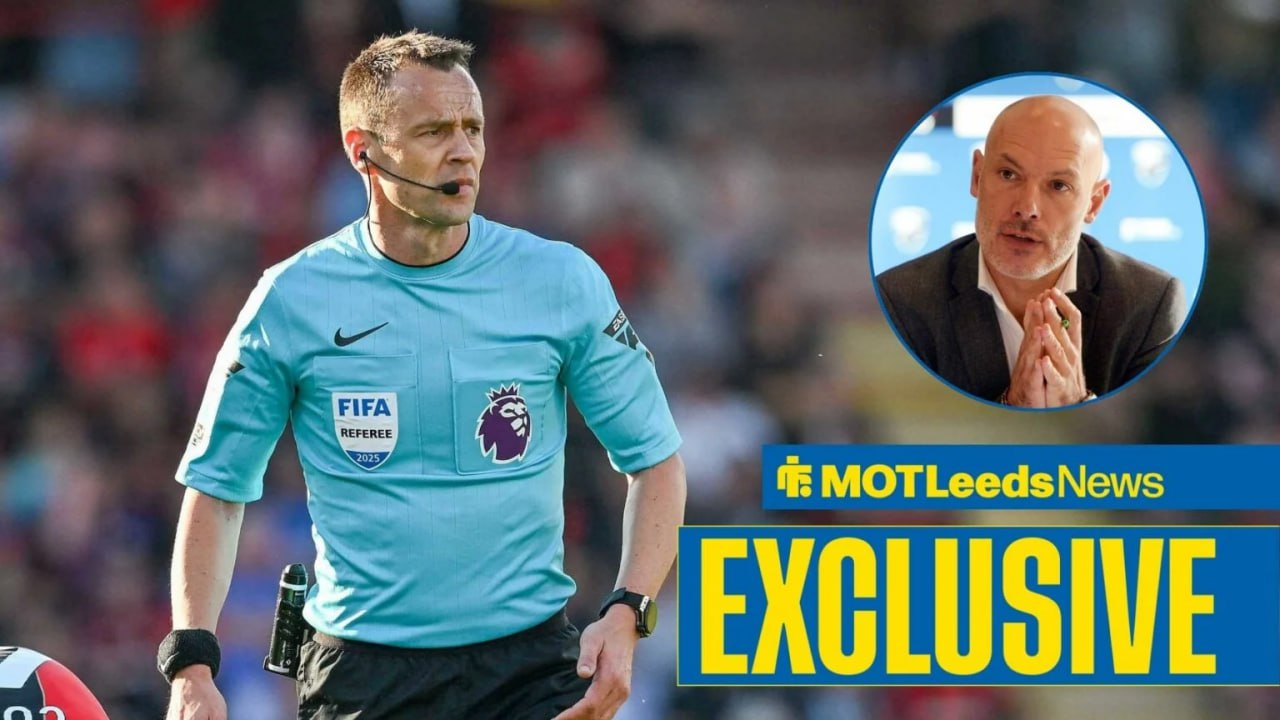
Leeds United’s narrow 1-0 defeat to Sunderland has been overshadowed by a major refereeing controversy, with growing calls for action against match official Stuart Attwell following a crucial VAR error.
The flashpoint moment came early in the match at Elland Road on 3 March, when Leeds defender Pascal Struijk appeared to be held back inside the penalty area by Sunderland’s Luke O’Nien. Despite strong appeals from the home side, neither Attwell nor VAR official Paul Tierney awarded a penalty.
Now, the Premier League’s Key Match Incidents (KMI) panel has officially ruled that the decision was incorrect — confirming what many Leeds fans and analysts believed at the time: the Whites were denied a clear spot kick.
Former PGMOL chief Keith Hackett has since weighed in on the situation, arguing that such a significant mistake demands consequences. In his view, errors of this magnitude — especially those that influence the outcome of a match — should not go unpunished. Hackett has suggested that Attwell should be temporarily removed from upcoming fixtures, emphasizing the need for greater accountability within the refereeing system.
He also pointed to the PGMOL’s internal ranking structure, where referees are assessed throughout the season. According to Hackett, those consistently underperforming should face demotion, reinforcing standards and restoring trust in officiating.
However, for Leeds United, the acknowledgment of the error offers little real comfort. The dropped point could prove decisive in their battle to avoid relegation, where even marginal gains can define a season. Daniel Farke’s side are locked in a tense fight for survival, and moments like these can have lasting consequences on both morale and league position.
Beyond the immediate impact, the incident may also affect how Leeds approach future matches. Repeated contentious decisions can erode confidence in officiating, potentially influencing player reactions and fan sentiment in high-pressure situations.
While disciplinary action against referees may address broader concerns about standards, it does nothing to change the result on the pitch. For Leeds, the damage is already done — and as the season progresses, the cost of that missed penalty may loom larger than ever.