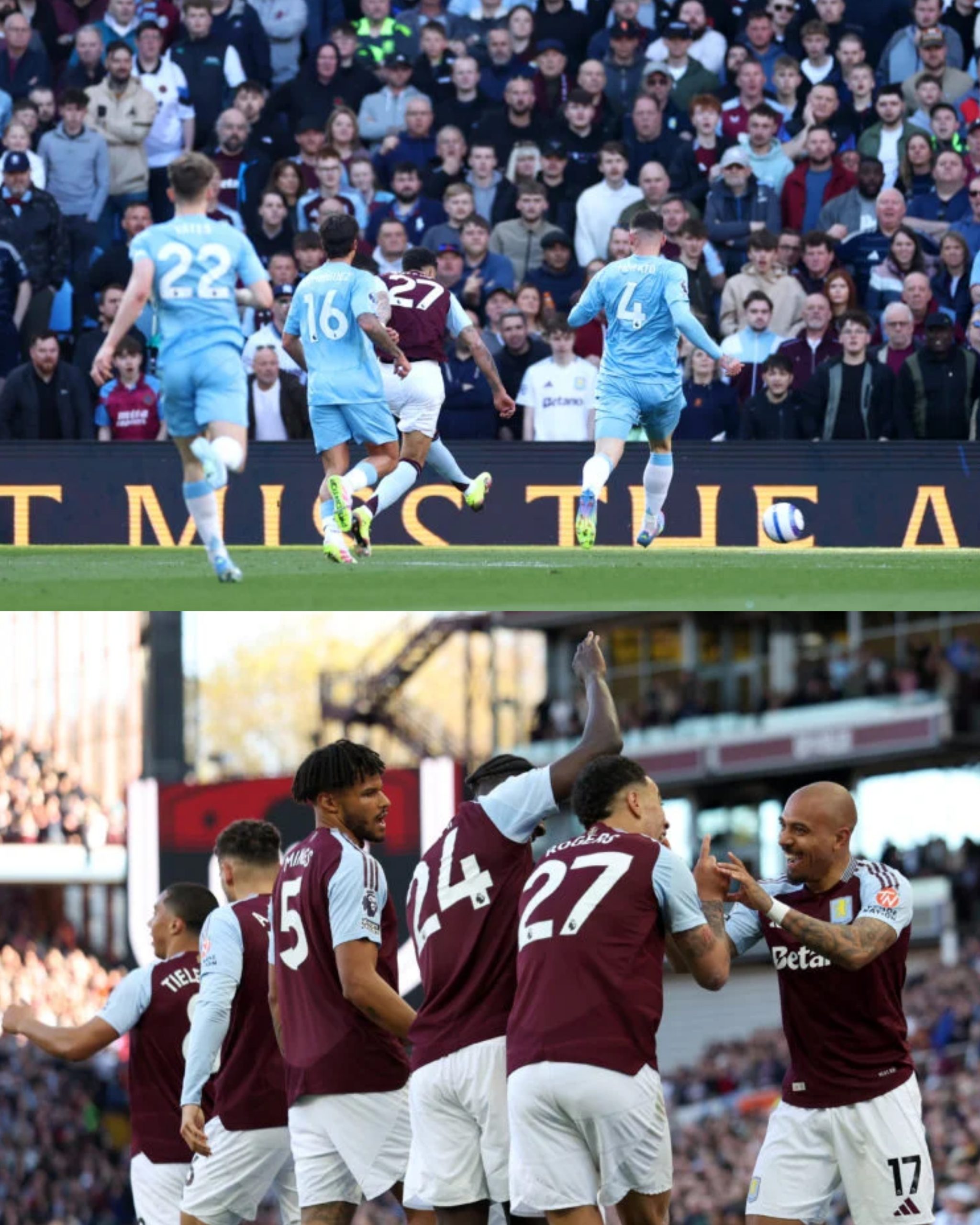
Nottingham Forest’s 2-1 defeat to Aston Villa at Villa Park served as a stark reminder of the fine margins that separate teams in the Premier League, particularly when it comes to securing a coveted Champions League spot. The game, which saw Villa assert themselves as a side with genuine top-tier aspirations, was ultimately a contest that the Reds will want to forget due to their disappointing start, defensive lapses, and failure to capitalize on key moments. Despite some bright spots, particularly from individual players, Forest’s collective performance left much to be desired, especially in the first half.
From the opening whistle, it was clear that Villa were in the mood to make a statement. Their intensity and pressing were evident, and they wasted no time in exploiting Forest’s slow start. Within the first 15 minutes, the game was effectively decided as Villa’s pressure paid off. Forest, who have prided themselves on a disciplined and organized defense this season, were caught off-guard. The backline seemed shaky and uncertain, leaving the likes of Morgan Rogers and Donyell Malen with far too much space to operate. This uncharacteristic defensive frailty proved to be the difference, as Villa capitalized on their early dominance.
Nuno Espirito Santo’s tactical setup was scrutinized post-match, with many questioning whether his decisions, particularly in light of injuries to key players, contributed to the lackluster start. The absence of some of Forest’s usual starters was a blow, but it wasn’t just the players missing that mattered—it was the approach that seemed to lack sharpness. Alan Smith, a former player turned pundit, noted that Espirito Santo’s decision-making had a direct impact on Forest’s performance. There seemed to be a lack of urgency and intensity that had previously been a hallmark of their play, especially in big games. Villa’s early goals highlighted the defensive lapses, which, on another day, might have been easily avoided with more focused and disciplined defending.
The first major error came in the 12th minute when Morato, who has otherwise been solid this season, made a costly mistake that led directly to Villa’s opening goal. Morgan Rogers, one of Villa’s most dangerous players, pounced on the mistake with the quickness and precision that has become characteristic of his game this season. Rogers, who has seen his stock rise with impressive performances, including making his first England start last month, was aware enough to exploit the opportunity. Morato, who appeared distracted, failed to track Rogers as he made his run. Once Youri Tielemans played the ball through, it was too late—Rogers had already found the space and placed the ball perfectly into the net.
Rogers spoke after the game about his awareness of the moment. “I saw Morato not looking, and once Youri Tielemans got the ball, I had to make the move. He has the quality to pick me out from anywhere. I knew I had to make sure the first touch was right to get the opportunity. It fell perfectly, and I’m happy to put it away,” he said. The young forward’s composure and poise in front of goal were impressive, but the defensive lapse from Forest was inexcusable. It’s one thing to be outclassed by superior opponents, but mistakes like these, especially in such an important match, are hard to forgive.
Morato, who had been in good form leading up to the match, was left to reflect on his performance after the final whistle. His error, while not representative of his overall ability, was a glaring moment that contributed to Forest’s defeat. In a competition as ruthless as the Premier League, such lapses in concentration can be costly. In Portugal, playing for Benfica, it might have been easier to get away with such mistakes, but in the Premier League, where every player is under immense scrutiny, a momentary lapse can turn the tide of a game. Morato, who had been solid in previous games, knew he owed an apology to his teammates for the error, especially given the importance of the match.
However, while Morato’s mistake was significant, it would be unfair to place the blame solely on him. Football is a team game, and it’s essential to remember that the defensive frailty extended beyond just one player. Forest’s collective defensive organization seemed off, as Villa exploited the space left in between the lines. The midfield, too, failed to provide the necessary protection for the defense, and Villa’s attacking players took full advantage of the spaces that opened up. Espirito Santo’s tactical approach may have contributed to the lack of defensive cohesion, but there was enough individual responsibility to go around.
The second half saw Forest make an attempt at a comeback, but it was a case of too little, too late. They found themselves chasing the game, and although they managed to get a goal back, it was never enough to overturn Villa’s lead. The Reds created a few chances, but their efforts were either off-target or thwarted by Villa’s resolute defending. Villa, who are firmly in the hunt for a Champions League spot themselves, were clinical when it mattered, and their performance only added to the frustration for Forest. Villa’s second goal in the second half confirmed their superiority and ended any hopes of a comeback.
Despite the defeat, it’s important to remember that the season is far from over. Forest now face a crucial seven-game stretch that will ultimately determine whether they can secure a top-four finish and a spot in the Champions League next season. Their current position is far from secure, but they still have the opportunity to bounce back, provided they can rectify the mistakes made against Villa. The challenge for Espirito Santo will be to find a way to restore the team’s defensive solidity and make sure they start future games with the intensity and concentration required to compete at the highest level.
Morato, along with the rest of the team, must learn from the Villa debacle and ensure they don’t repeat such errors. The mistakes in the early stages of the match cannot be ignored, and it will be vital for Forest to address their defensive vulnerabilities in the coming weeks. They have the talent to compete at the top end of the Premier League, but it will require a collective effort to ensure they maintain their focus and consistency in the final stretch of the season.
Looking ahead, Forest will need to regroup and refocus for the upcoming fixtures, with key matches against direct rivals for the Champions League spots. Every point will be crucial, and there is no margin for error in the remaining games. Espirito Santo’s side must rediscover the defensive resilience that has served them so well this season and start taking the game to their opponents, rather than allowing the opposition to dictate the play.
In the end, while the defeat to Villa was disappointing, it’s not the end of the road for Forest’s European aspirations. The season is far from over, and with the right mindset and adjustments, Forest can still achieve their goal of qualifying for next season’s Champions League. It’s time for the team to look forward, learn from the mistakes of the past, and rise to the challenge that lies ahead in their seven-game season.