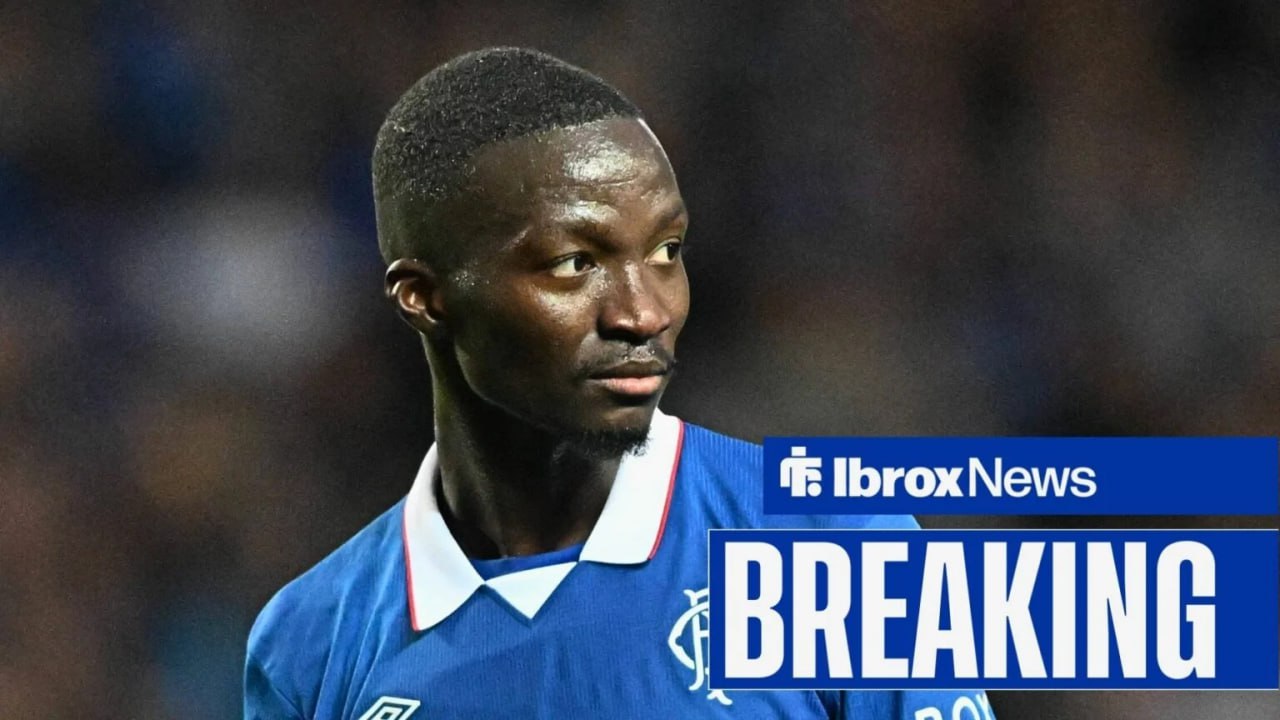
Rangers FC have been dealt a potentially devastating blow in the closing stages of the season, with midfielder Mohamed Diomande facing a lengthy spell on the sidelines after suffering a serious shoulder injury during the Old Firm clash against Celtic FC.
The 23-year-old was forced off at half-time during the Scottish Cup quarter-final defeat at Ibrox, in what initially appeared to be a routine substitution. However, subsequent reports have revealed the true severity of the situation, with fears that Diomande may have dislocated his shoulder in what has been described as a “gruesome” incident.
According to emerging updates, the injury could require surgery, raising the alarming possibility that the Ivorian international may miss the remainder of the campaign. While final confirmation is pending medical assessments and scans, early indications suggest that Rangers manager Danny Röhl could be without one of his key midfield options at a crucial point in the season.
Even in a less severe scenario—such as a partial dislocation—Diomande is still expected to be sidelined for a significant period. Reports indicate that he would likely miss matches leading up to and immediately following the international break, further complicating Rangers’ push in the Scottish Premiership.
The timing of the injury could hardly be worse. Rangers are currently locked in a tightly contested title race, sitting just two points behind Heart of Midlothian FC and one point behind Celtic with only eight games remaining. Every match now carries immense importance, and losing a regular contributor like Diomande disrupts both squad depth and tactical balance.
Although Diomande’s statistics this season—one goal and three assists in league play—may not immediately stand out, they do not fully reflect his influence on the pitch. Under Röhl, he has often been deployed in a deeper midfield role, tasked with linking defense and attack while providing energy and composure in possession. His partnership with Nicolas Raskin has been particularly important in maintaining structure in midfield.
His absence now leaves a gap that will not be easily filled. Rangers will have to quickly reorganize their midfield setup, potentially placing greater responsibility on players who have either been on the fringes or recently returning from injury.
One such player is Connor Barron, who has been working his way back to fitness after a spell on the sidelines since January. Encouragingly for Rangers, Barron recently made a substitute appearance against St Mirren FC, suggesting he could now play a more prominent role.
Former Rangers midfielder Kevin Thomson has hinted that Barron was close to full fitness even before his return, raising hopes that he can step up in Diomande’s absence. If fully match-ready, Barron could slot into the starting lineup alongside Raskin and Tochi Chukwuani, forming a new-look midfield trio for the run-in.
For Röhl, the challenge now is not only to replace Diomande’s physical presence but also to maintain the tactical cohesion that has kept Rangers competitive throughout the season. Injuries at this stage can derail momentum, particularly when they affect key areas like central midfield.
Beyond the tactical implications, there is also a psychological aspect to consider. The loss of a teammate—especially under such circumstances—can impact squad morale. However, it can also serve as a rallying point, galvanizing the team to push harder in pursuit of their objectives.
Supporters will now be anxiously awaiting further updates from the club regarding the extent of Diomande’s injury. A confirmed need for surgery would all but end his season, while a less severe diagnosis could at least offer hope of a late return.
Regardless of the outcome, Rangers must prepare for life without him in the immediate future. With the title race finely balanced and little margin for error, every decision and performance will be under intense scrutiny.
As the season approaches its climax, this injury could prove to be a defining moment. Whether Rangers can adapt and overcome this setback may ultimately determine whether they finish the campaign celebrating success or reflecting on what might have been.