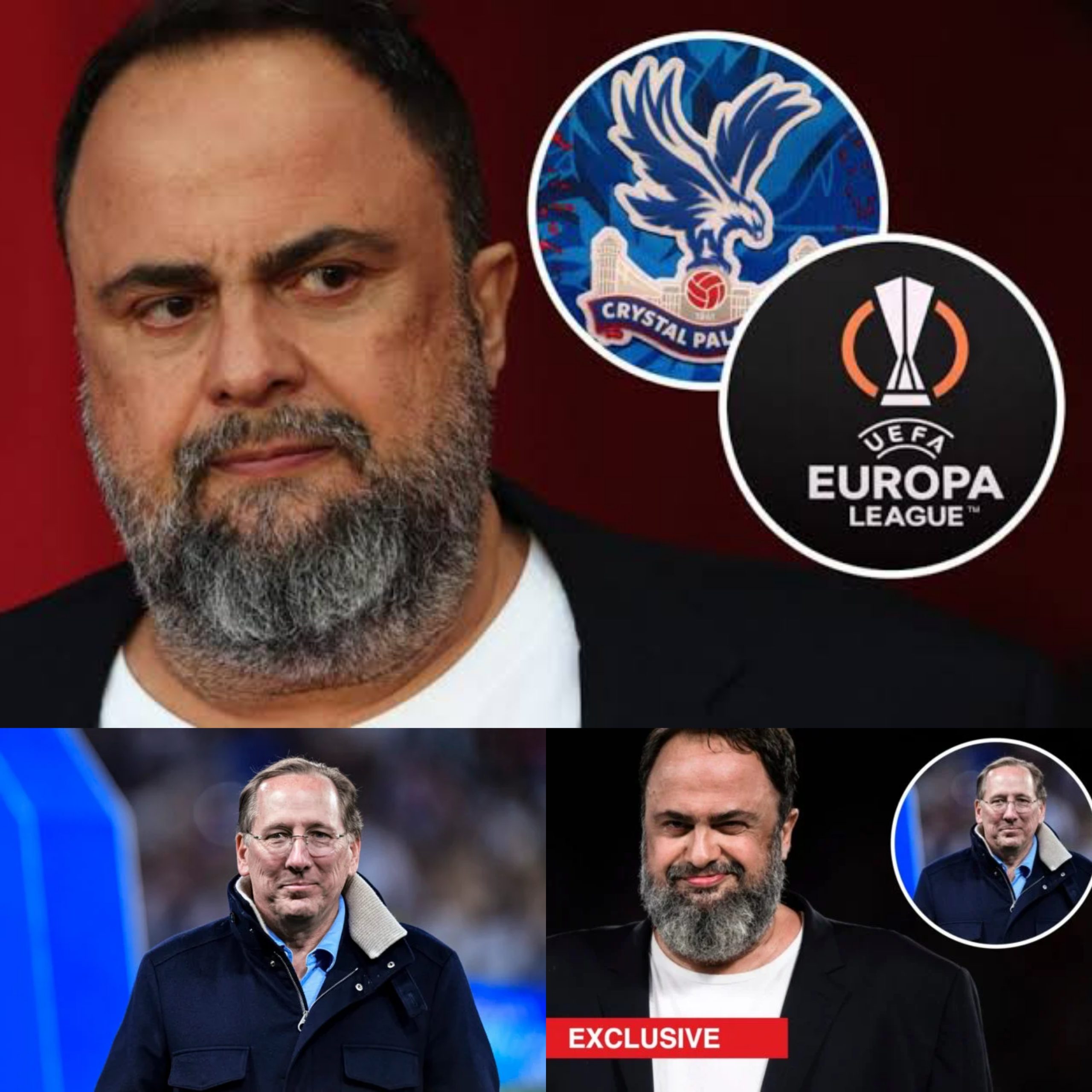
⚖️ The Crystal Palace vs. Nottingham Forest UEFA Dispute: A Deep Dive into the Europa League Dilemma
⚽ Introduction: A Summer of Uncertainty
As the 2024/25 European football season nears, the fates of two English clubs—Crystal Palace and Nottingham Forest—hang in the balance due to an ownership conflict involving John Textor, the American businessman with stakes in multiple football clubs. With UEFA set to enforce its multi-club ownership regulations, the outcome of this case could reshape not only the fortunes of the clubs involved but also set a defining precedent for the growing trend of multi-club ownership (MCO) across European football.
🗓️ The Timeline: How This Conflict Unfolded
❖ May 2024:
Crystal Palace qualify for the Europa League by winning the FA Cup, capping off a remarkable domestic campaign.
❖ June 2024:
Olympique Lyonnais, who are also owned by Textor, successfully appeal their sporting sanctions in France and are reinstated into Ligue 1.
With Lyon finishing 6th in Ligue 1, they too qualify for the Europa League.
❖ Conflict Trigger:
UEFA’s Article 5 bars two clubs under the same “decisive influence” from playing in the same UEFA competition. Now, both Lyon and Palace are qualified for Europa League, and both fall under Textor’s ownership umbrella via his company, Eagle Football Holdings.
This creates a regulatory conflict—and opens the door for Nottingham Forest, who qualified for the Conference League, to potentially be promoted to the Europa League.
🏛️ UEFA’s Regulations: The Legal Framework
Article 5 – Integrity of the Competition
UEFA’s Article 5 states that:
“No individual or legal entity may have control or decisive influence over more than one club participating in a UEFA competition.”
The rule exists to prevent conflicts of interest, manipulation, or perceived corruption. “Control” and “decisive influence” are broadly defined and not based solely on ownership percentage—advisory roles, financial dependency, and boardroom access are all considered.
UEFA’s Club Financial Control Body (CFCB) is tasked with reviewing such cases.
🔍 John Textor: The Man at the Centre
John Textor is the American billionaire behind Eagle Football Holdings, a group that owns or controls:
Olympique Lyonnais (France – full control)
Crystal Palace (England – ~43% ownership)
Botafogo (Brazil – controlling stake)
RWD Molenbeek (Belgium)
Textor insists he does not exert “decisive influence” at Palace. He claims:
He is a minority shareholder.
He has no final say on transfers, staffing, or strategy.
He attends board meetings but does not control voting.
However, UEFA interprets “influence” broadly, and Textor has:
Publicly admitted he advises Palace’s board.
Meets weekly with club officials.
Has input into footballing decisions, according to media reports and insiders.
🧩 Crystal Palace’s Defense: Arguments for Eligibility
Crystal Palace argue:
Textor holds less than 50% of shares and has only 25% of the vote.
There is no shared staff, no shared players, no shared technical departments between Palace and Lyon.
They are structurally independent, and therefore not under common control.
They attempted to resolve the issue by placing Textor’s shares in a blind trust, though this was rejected by UEFA for being submitted too late (after the March 1 deadline).
In the days leading up to UEFA’s final decision, Textor also announced an agreement to sell his stake in Palace to Woody Johnson, owner of the New York Jets. However, that deal:
Is still pending approval by the Premier League.
Will likely not be completed before UEFA’s ruling, rendering it moot for the 2024/25 season.
🟢 Nottingham Forest: The Opportunity of a Lifetime
Nottingham Forest, owned by Evangelos Marinakis, finished 7th in the Premier League, securing a spot in the Conference League. But with Palace under threat, Forest could be promoted to the Europa League.
Forest have been:
Proactive—submitting a complaint to UEFA citing the ownership overlap.
Compliant—Marinakis placed his stake in Olympiakos into a blind trust to ensure there is no overlap.
Prepared—manager Nuno Espírito Santo reportedly has two transfer plans based on potential European qualification level.
Promotion to the Europa League would:
Increase Forest’s European revenue by millions.
Help them attract higher-profile players.
Boost the club’s UEFA coefficient, improving their seeding in future draws.
⚖️ Legal and Precedent Considerations
This is not the first time UEFA has dealt with MCO conflicts. Relevant precedents include:
- RB Leipzig vs. Red Bull Salzburg (2017)
Both clubs qualified for the Champions League.
UEFA forced the clubs to restructure and formally separate their operations to prove independence.
- Drogheda United and Silkeborg (2021)
Similar ownership conflict led to one club’s removal from European competition.
UEFA’s position was upheld by the Court of Arbitration for Sport (CAS).
- Manchester City and Girona (2020)
UEFA warned of potential conflict if both clubs qualified.
City Football Group agreed to reduce overlap in operations.
Experts like Adam Williams argue that Palace’s case is weaker because:
The blind trust was submitted after the deadline.
Textor maintains direct engagement with the Palace board.
The influence he wields is significant, even without full ownership.
🧮 Financial Impact and Transfer Market Ripple Effects
If Palace are demoted to the Conference League, they stand to lose:
Up to €10 million in Europa League prize money and TV rights.
The prestige needed to retain or attract top players.
Potential European revenue that could fuel summer signings.
If Forest are promoted:
They would gain direct group-stage access to the Europa League.
The club could earn €15–20 million from UEFA in one season.
It may allow them to restructure their wage budget, or invest in new talent.
🔮 What Happens If Palace Are Disqualified?
If UEFA rules that Textor has decisive influence, then:
- Palace are removed from the Europa League and demoted to the Conference League (or lose European qualification altogether).
- Forest are elevated into the Europa League.
- Palace can appeal the decision to CAS, but success is unlikely given precedent.
- UEFA’s ruling may come within days, possibly by mid-July 2025.
Palace are expected to appeal immediately, but with the 2025/26 UEFA calendar already moving forward, a quick resolution will be needed.
🔐 Wider Implications for Football
This case could:
Set a precedent for how UEFA enforces MCO rules in a rapidly changing football ownership landscape.
Affect other MCO groups like City Football Group, Red Bull, and 777 Partners.
Lead to tightened regulations and earlier deadlines for share transfers or blind trust arrangements.
Trigger scrutiny from domestic leagues, especially the Premier League, which has also promised to examine multi-club networks more closely.
📌 Summary
Club Qualification Risk/Reward
Crystal Palace Europa League (via FA Cup) Risk disqualification due to Textor’s influence
Olympique Lyon Europa League (via Ligue 1) Secure spot; reinstated after appeal
Nottingham Forest Conference League (via Premier League 7th) Likely promoted to Europa League if Palace disqualified
🗓️ Timeline of Next Steps
July 2025 (Week 2): UEFA decision expected.
July–August 2025: CAS appeal window opens.
August 29, 2025: Europa League group stage draw.
September 2025: Group matches begin.
✅ Final Thoughts
Crystal Palace’s fate may hinge not on the size of Textor’s stake, but the breadth of his influence. UEFA’s stance appears increasingly clear: “influence” is not just about votes, but about presence, power, and perception.
If Forest are promoted, it would mark a dramatic shift in their European aspirations, while Palace may become the latest cautionary tale in football’s complex ownership era.