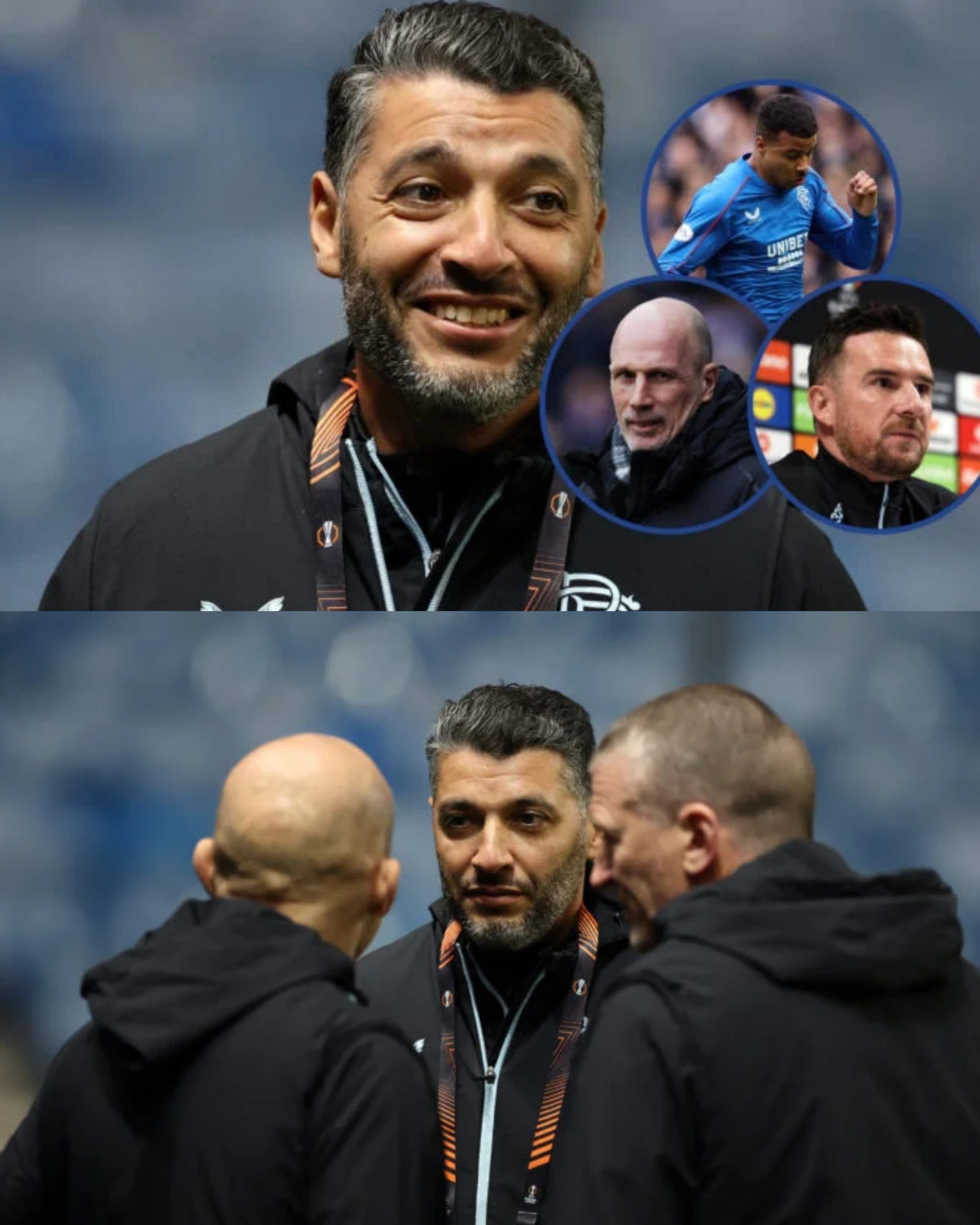
Issame Charai’s introduction to life at Rangers has been nothing short of dramatic. He was barely through the doors at Ibrox when the man who brought him to the club, Philippe Clement, was abruptly dismissed. Such a rapid transition is unusual in football, particularly when a new coach is hired specifically to work under a manager who is then removed within weeks. Charai’s situation highlights just how quickly things can change at a club like Rangers, where expectations are sky-high, and results dictate everything.
Charai’s Unexpected Stay at Rangers
In many cases, when a manager is sacked, their backroom staff follow them out the door. Clubs often want a clean break from the old regime, especially when a managerial reign ends in disappointment. However, in Charai’s case, Rangers made the rare decision to retain him, suggesting that they see real value in his expertise. The club could have easily parted ways with him when Clement left, but they assured Charai that he was still part of their plans.
This decision is significant for a couple of reasons. First, it suggests that Charai impressed key figures at Rangers during his brief time under Clement. He was initially recruited after Andries Ulderink’s departure, and his quick adaptation to the club environment must have played a role in the decision to keep him on. Second, his coaching background—particularly his work with young players and his experience in Belgian and Moroccan football—could be seen as a valuable asset for Rangers moving forward.
Charai himself admitted that Clement’s dismissal was a shock. He had made a big decision to leave his role at Strasbourg in France to join Rangers, believing he would be working long-term under a manager he admired. In his own words, Clement was “the best Belgian coach at the moment,” and he was eager to work alongside him. That plan was quickly thrown into chaos, and Charai had to consider his own future amid the managerial upheaval.
Adding to the uncertainty was his family situation. He had just relocated to Glasgow, and his wife and children were still in the process of moving. When Clement was sacked, it left Charai in limbo, unsure whether he would need to uproot his life again. However, once Rangers assured him of his place at the club, he finalized the visa process for his family, and his children have now started school in Scotland. This stability will be crucial for him as he continues to establish himself in Glasgow.
Charai’s Growing Influence at Rangers
Despite the chaos surrounding Clement’s exit, Charai’s role at Rangers may actually be growing in importance. With Barry Ferguson stepping in as interim manager, Charai has taken on a significant coaching responsibility. He has described Ferguson as a “man of few words” who delegates much of the hands-on training work to his coaching staff. This has given Charai the opportunity to have a major influence on training sessions and tactical preparations.
From a practical standpoint, Ferguson is acting more as a traditional manager rather than a hands-on coach, meaning that figures like Charai have more authority on the training ground. This dynamic could be beneficial for Charai, allowing him to put his stamp on the squad despite being a relatively new addition. The longer Ferguson remains in charge, the more Charai’s role could solidify within the coaching staff.
Another aspect of Charai’s growing influence is his connection to Moroccan football. His appointment at Rangers raised eyebrows due to the club’s increasing links to Moroccan players, most notably Hamza Igamane. Charai previously managed the Morocco U23 team and knew Igamane well from his time in charge. When Clement and the Rangers recruitment team were scouting Igamane, Charai was consulted about his potential, and he gave a glowing recommendation.
So far, that recommendation appears to be justified. Igamane has been making a strong impression at Rangers and is now on the verge of a Morocco national team call-up. If he continues to develop into a top player for Rangers, Charai’s influence in the club’s scouting and recruitment could grow even further. His knowledge of Moroccan and North African talent could provide Rangers with an edge in identifying young, promising players before they attract widespread attention.
What Does the Future Hold for Charai?
The biggest question surrounding Charai now is whether he has a long-term future at Rangers. While he has been retained under Ferguson’s interim management, his fate could ultimately depend on what happens when Rangers appoint a permanent manager. If Ferguson remains in charge for the foreseeable future, Charai is likely to stay and continue in his current role. However, if Rangers bring in an external candidate with their own backroom staff, Charai’s future could once again be thrown into doubt.
One factor that could work in Charai’s favor is the length of his contract. He has three and a half years remaining on his deal, meaning Rangers would have to compensate him significantly if they were to part ways. This suggests that the club sees him as more than just a short-term addition and that they believe he can play a meaningful role in the coaching setup.
Additionally, his links to Moroccan football could make him valuable beyond just coaching. If he continues to play a role in scouting and recruitment, he could establish himself as an important figure within the club, regardless of who the next manager is. If he helps Rangers secure more hidden gems like Igamane, his stock will only rise further.
Final Thoughts
Issame Charai’s time at Rangers has already been full of twists and turns, but he has managed to navigate the uncertainty and carve out a role for himself at the club. Despite the upheaval of Clement’s sacking, Charai has been trusted to stay on, and his influence is growing under Barry Ferguson. His expertise in coaching, combined with his scouting knowledge and connections to Moroccan football, could make him a key figure for Rangers moving forward.
That said, his long-term future remains uncertain. Much will depend on who takes charge of Rangers permanently and whether they choose to keep Charai in their plans. If he continues to impress on the training ground and contributes to player recruitment, he may find himself becoming an integral part of the club’s future.
For now, though, he appears to be making the most of his opportunity. His ability to adapt and thrive in challenging circumstances suggests that he has the resilience to stick around for the long haul. But in football, things can change quickly, and Charai will need to continue proving his worth if he wants to remain a key figure at Rangers in the years to come.
What do you think? Does Charai have what it takes to establish himself at Rangers long-term, or do you see him moving on if a new manager arrives with a fresh backroom team?